A tour of the breathtaking Sheikh Zayed Grand Mosque in Abu Dhabi
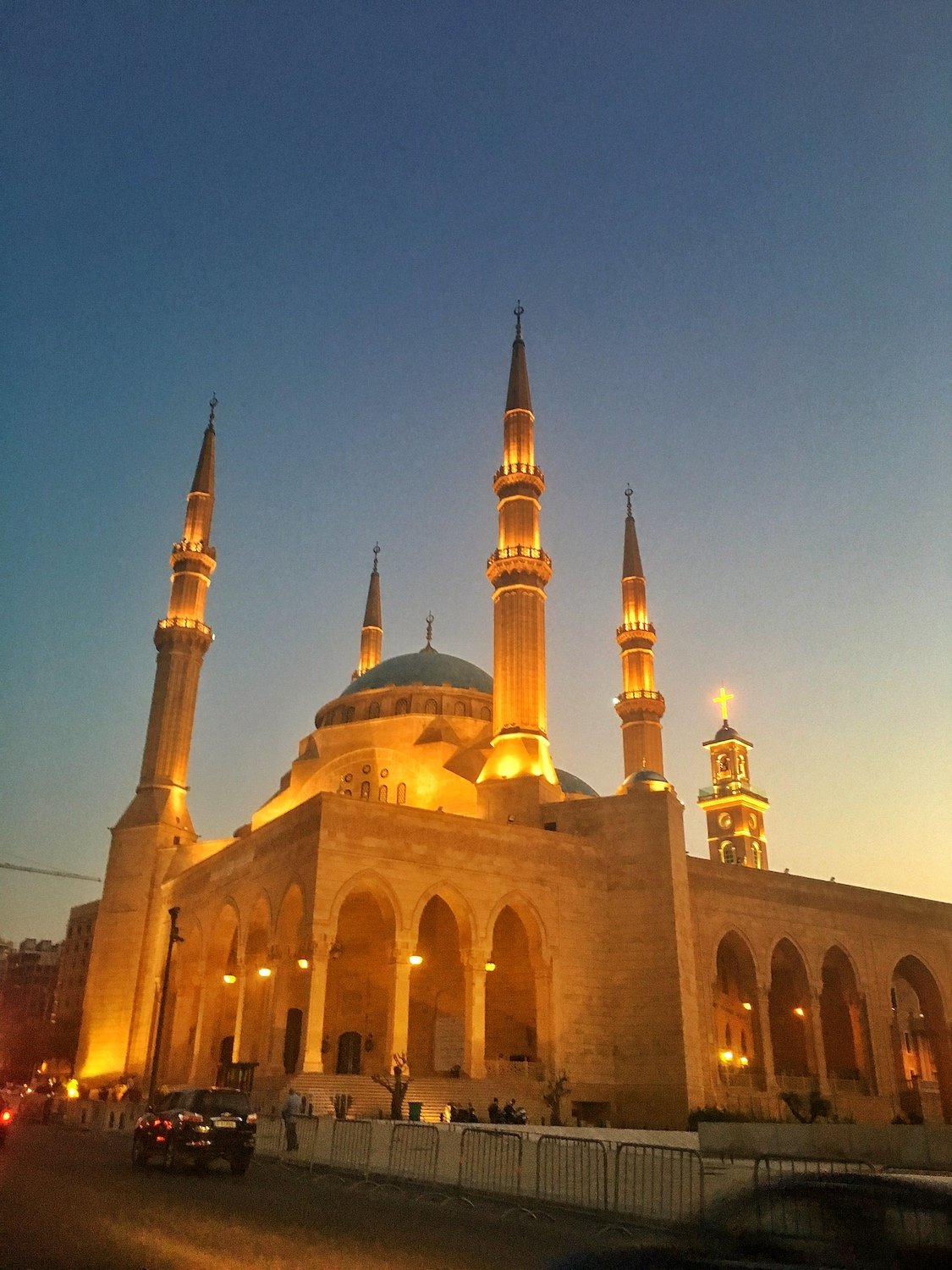
The Sheikh Zayed Grand Mosque in Abu Dhabi is a breath-taking architectural masterpiece and a symbol of Islamic culture, unity, and spiritual reflection. As the largest mosque in the United Arab Emirates, it is a key landmark that draws millions of visitors annually, offering an extraordinary blend of tradition and modernity.
© Images by Hiatus.Design
Spanning an area of 22,412 square metres (approximately the size of four football pitches), the mosque can accommodate over 40,000 worshippers. Its design seamlessly combines traditional Islamic architecture with contemporary influences, reflecting the vision of the late Sheikh Zayed bin Sultan Al Nahyan, the founding father of the UAE.
Completed in 2007, the mosque stands as a testament to his dedication to creating a cultural and spiritual space that welcomes people from all walks of life.
The mosque’s beauty is unparalleled, featuring 82 domes, over 1,000 columns, and seven gold-plated chandeliers adorned with millions of Swarovski crystals. The main prayer hall houses the world’s largest hand-knotted carpet, spanning over 5,700 square meters, and the largest chandelier, which measures 10 metres in diameter and 15 metres high, weighing an impressive 12 tons.
These intricate details, combined with materials sourced from around the world, including white marble from Greece and India, create a space of extraordinary elegance and serenity.
Visitors to the mosque are invited to experience its grandeur through guided tours or self-exploration. Key highlights include the stunning reflection pools, the Qibla wall featuring 99 names of Allah in traditional Kufic calligraphy, and the mosque’s iconic white marble exterior, which appears to change colour throughout the day depending on the sunlight. At night, the mosque is illuminated with a unique lighting system that mimics the phases of the moon, adding to its spiritual ambiance.
The Sheikh Zayed Grand Mosque is not only a place of worship but also a cultural landmark that fosters understanding and respect among people of different religions and backgrounds. Entry to the mosque is free, and visitors are required to dress modestly in respect of Islamic customs, with abayas available for women if needed.
Located in the heart of Abu Dhabi, the mosque is easily accessible by car or public transport. Open daily, it offers a serene and awe-inspiring experience for anyone visiting the UAE. The Sheikh Zayed Grand Mosque is more than just a building—it is a symbol of faith, harmony, and artistic achievement, making it a must-visit destination for travellers and worshippers alike.
You might also like:
Standing at an impressive 55 metres (180 feet) tall, the Big Buddha of Bamyan, also known as the Western Buddha or the Male Buddha, was one of two colossal statues carved into the cliffs of the Bamyan Valley in central Afghanistan.
Located along Dubai Creek in the Bur Dubai area, the Al Fahidi Historical Neighbourhood, formerly known as Al Bastakiya, is one of Dubai’s most treasured heritage sites, offering visitors a glimpse into the city’s past before its transformation into a global metropolis.
Sitting on a strategic hill overlooking the city, Qala-ye Shahrara, or "The Castle of Shahrara," is an enigmatic historic fortress situated on a hill in the Taimani neighborhood of Kabul, Afghanistan.
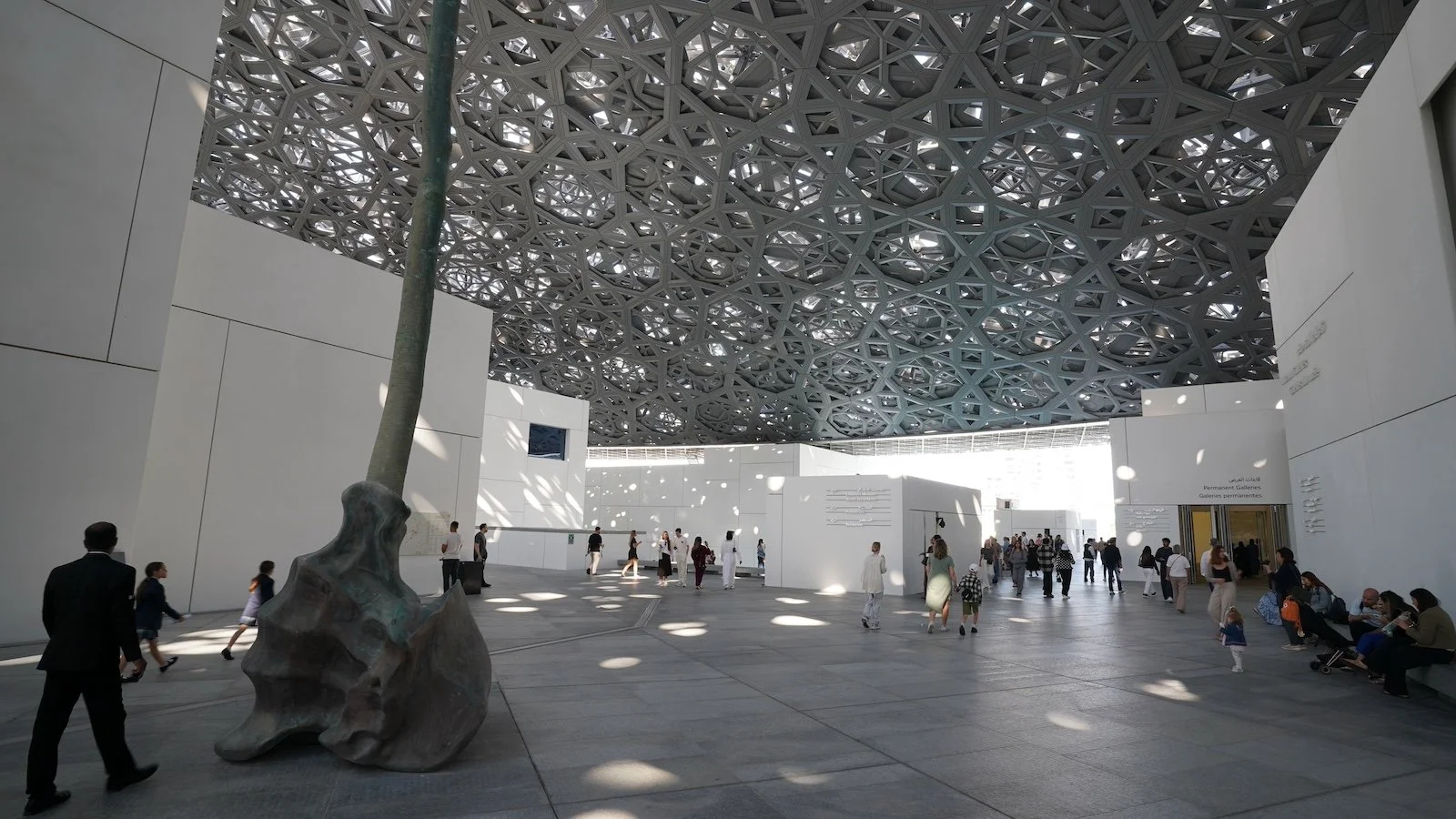
Located on Saadiyat Island, the Louvre Abu Dhabi is a world-class art and culture destination, celebrated as the first universal museum in the Arab world.
Starting with an early morning collection and a convoy journey into the desert, the experience includes a serene, albeit hazy, sunrise with coffee and dates, a packed breakfast amidst the dunes, and an adrenaline-pumping dune-bashing ride.
The AYA Universe in Dubai is a mesmerising, futuristic art installation and immersive experience that redefines the boundaries of art, technology, and storytelling.
The Sheikh Zayed Grand Mosque in Abu Dhabi is a breath-taking architectural masterpiece and a symbol of Islamic culture, unity, and spiritual reflection.
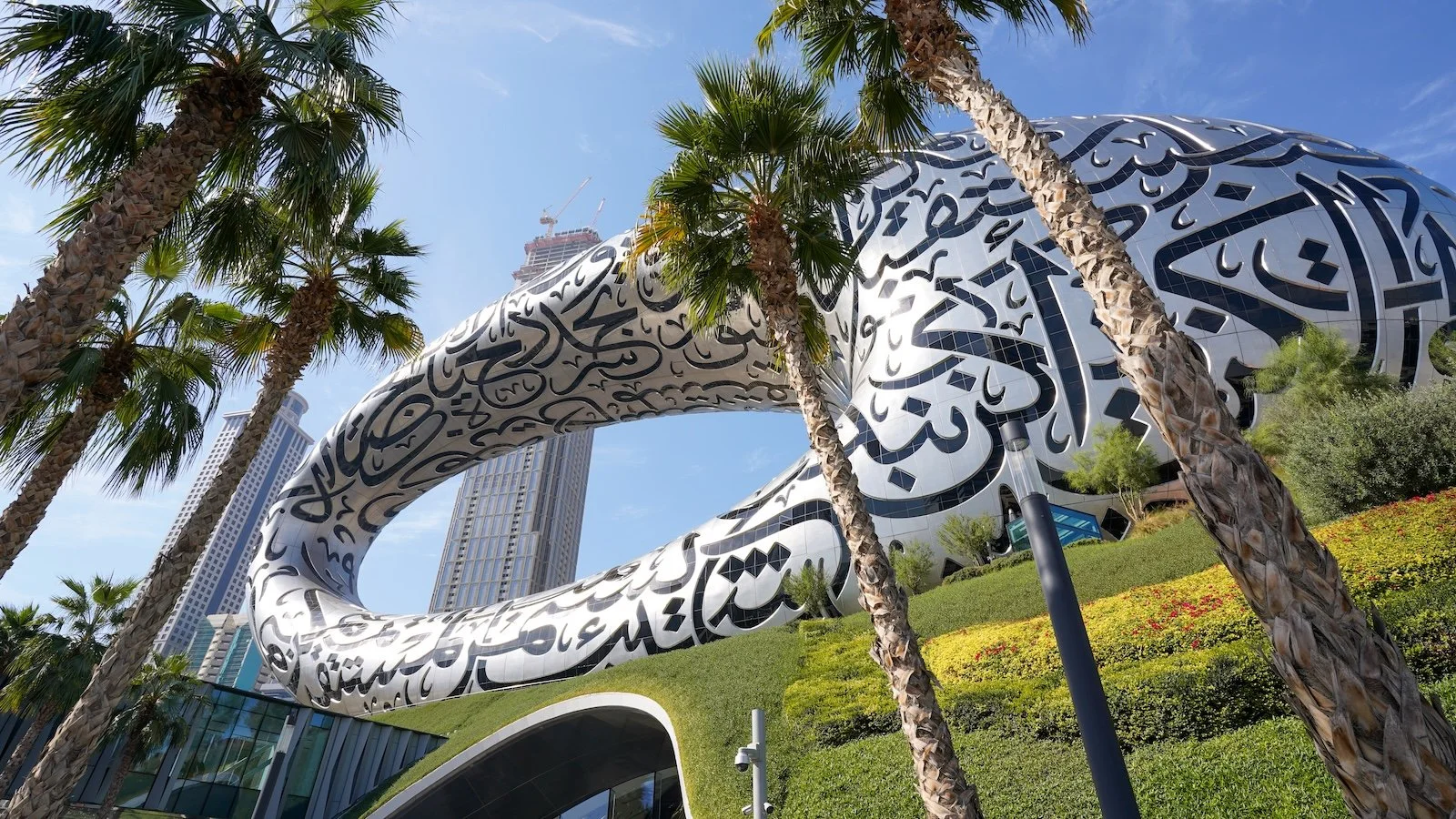
Opened in 2022, the Museum of the Future in Dubai is a ground-breaking architectural and cultural marvel that embodies innovation and forward-thinking design.
The Dubai Frame is one of the city’s most iconic landmarks, offering a unique perspective on Dubai’s past, present, and future.
The Burj Khalifa, soaring at a staggering height of 828 meters, is the tallest building in the world and a true symbol of Dubai’s ambition and innovation.
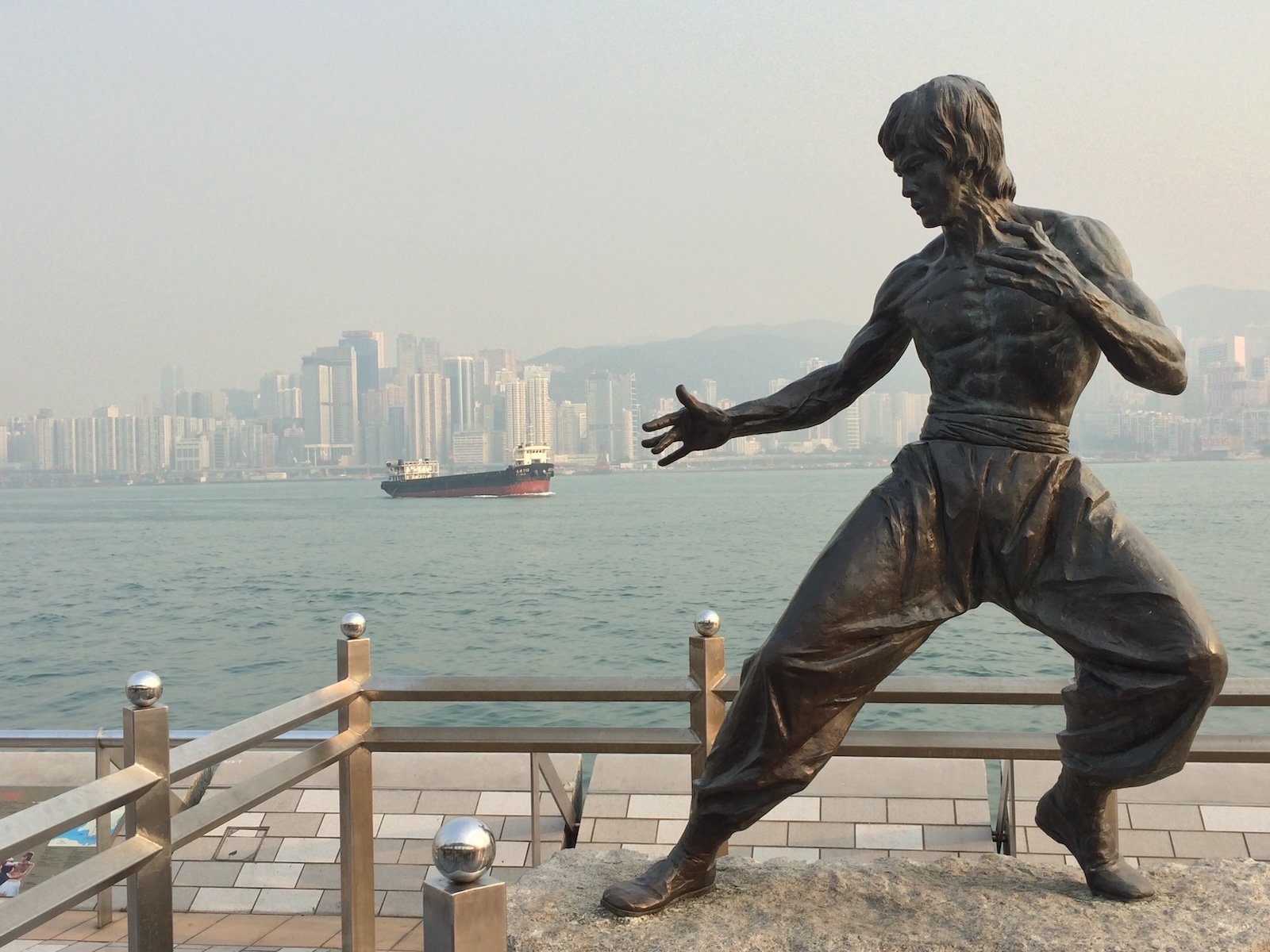
The Bruce Lee statue in Hong Kong’s Avenue of Stars is a tribute to the legendary martial artist, actor, and cultural icon who remains a symbol of strength, perseverance, and creativity.
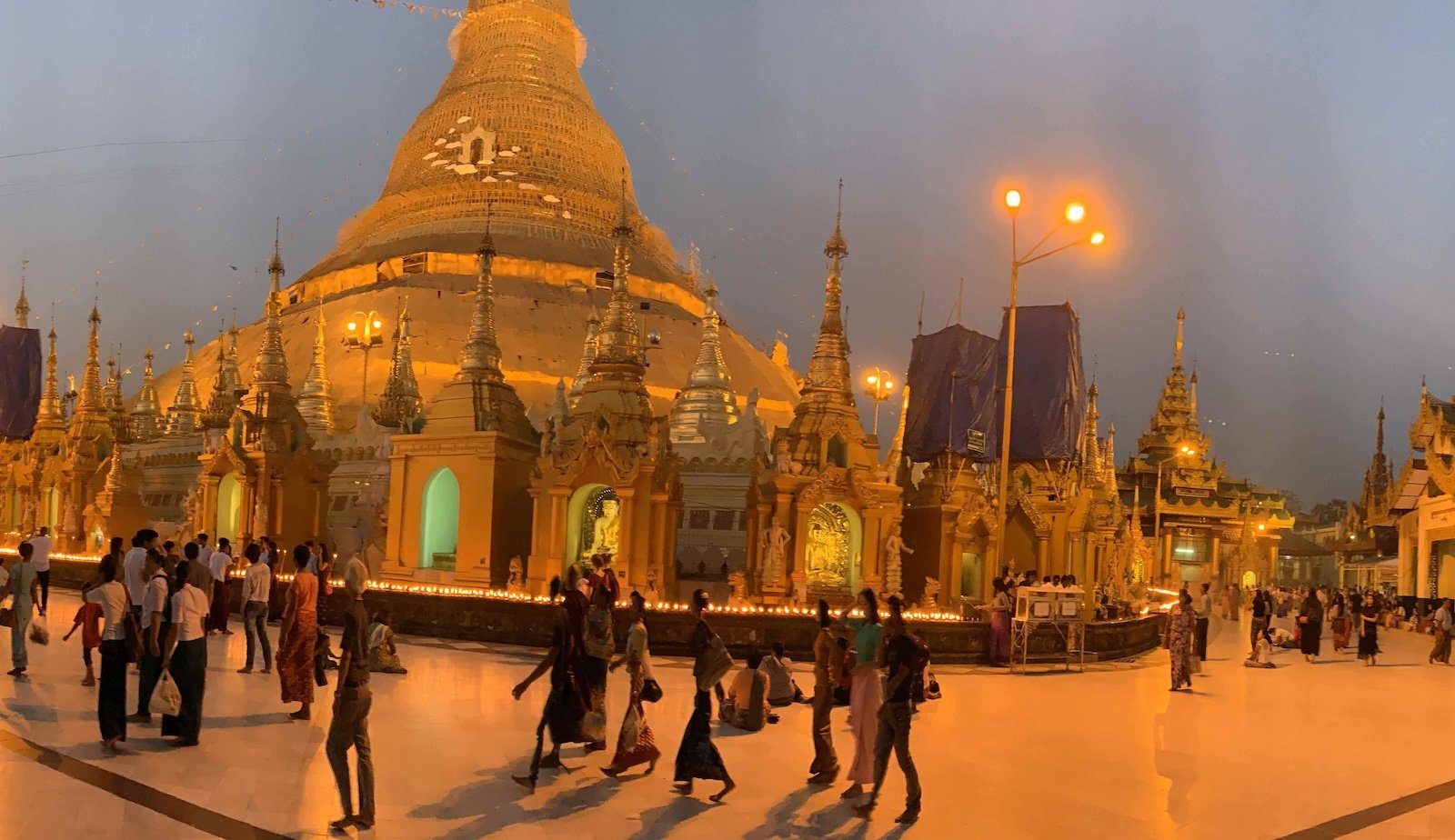
The Shwedagon Pagoda, also known as the Golden Pagoda, is one of the most iconic landmarks in Yangon, Myanmar, and a sacred site for Buddhists worldwide.
The Stupa of Takht-e-Rustam, located near Samangan in northern Afghanistan, is an ancient archaeological site of great historical and cultural significance, dating back to the 4th–5th century CE.
In June 2018, I got the opportunity to travel to Beirut’s capital city, Lebanon for a few days to understand more about this beautiful, yet undiscovered place.
I fly into the Rafic Hariri International Airport and am excited at the opportunity to see a country that I’ve never visited before yet heard so much about when growing up.
Beirut is located on the eastern Mediterranean coast and is known for its vibrant atmosphere, diverse population, and cosmopolitan lifestyle, which I could really feel as I walked around the streets – I didn’t feel like I was in a post-conflict zone with such an abundance of shopping malls and beautiful mosques.
In August 2017, I travelled a remote part of the Philippines to volunteer for 2 weeks working on a number of projects with other UK charity partners whilst I searched for my passion.
We, the ‘greyshirts’ of Team Rubicon UK went to Cebu city to help renovate a classroom at the same school that Dentaid would be running a free walk-in clinic to students who wouldn’t ordinarily have access to a dentist, we’d also nearby to emergency response charity, Serve On, so that we can augment and support both of the charities when they needed it.
In September 2018, I travelled to Bishkek, the capital of Kyrgyzstan, as a solo traveller to help make an an NGO more resilient and reduce travel risk for staff.
I find a city steeped in history, the earliest forms of nomadism, and adventure and learn about its transformation from a Silk Road trading centre to a bustling metropolis, where black and white stones symbolise struggle and unity, UNESCO stories of legends are immortalised in giant statues, and breath taking cultural landscapes!
What unexpected encounters and eye-opening experiences did I have in the vibrant city of Yangon, Myanmar? From the awe-inspiring 99-metre Shwedagon Pagoda, believed to enshrine sacred relics, to an impromptu cultural exchange with locals at a skateboard park, my journey was filled with moments that challenged assumptions and left a lasting impact on me. But what other hidden gems and transformative encounters lie undiscovered in this city, waiting to be explored?
In 2017, I visited Afghanistan to meet athletes redefining their future through adventure sports. These inspiring people - skiers, mountain bikers, marathon runners and parkour gymnasts, are pushing boundaries in the direst of circumstance, and I wanted to help them document the change going on in the country.
Daily security issues plague the capital Kabul and it’s assessed that the Taliban affects almost half the country.
But there are oases of relative safety in this place. Following the athletes’ example; I sought my own challenge and decided to run a marathon in a safe region that was not plagued by conflict.
In November 2015, several months after the earthquake - I fly to Nepal with Tim, Umesh and Matt – all veterans at various stages of their own rehabilitation. I use this word carefully as leaving the military isn’t something you can ever prepare for. It’s scary, intimidating and stressful – essentially changing everything about your life in a 12-month period. The effects, of which, are still felt many years afterwards.
We meet in a quiet corner of Kabul, a neighbourhood that’s largely untouched by the security issues. I know the city moderately well and so this eases my apprehension well. Although I do understand that If I’ve misjudged anything about my plan to get alternative perspectives of the beautiful mountains, the consequences could be severe.
It’s winter and the whole city is covered in a blanket of snow, meaning that movement is much slower, but the city does appear quieter than when I was last here.
About the Author:
Chris is the founder of Hiatus.Design, a mission-driven branding and website design company that works with clients all over the world.
Over the course of his life, he has travelled to more than 60 countries across six continents, earned two Guinness World Records, completed the legendary Marathon des Sables, summited Mont Blanc and unclimbed peaks in Asia, become a Fellow of the Royal Geographical Society (FRGS), rowed across the Atlantic Ocean and obtained a Masterʼs degree in Business Management (MA).