Learning about resilience at the Hospital in the Rock Nuclear Bunker musuem in Budapest, Hungary
We recently spent an afternoon beneath the cobbled streets of Budapest, descending into the caves under Buda Castle to visit Hospital in the Rock Nuclear Bunker Museum. A fascinating underground cold war experience.
Images kindly shared by Hospital in The Rock Nuclear Bunker Museum
The tunnels themselves are natural limestone caverns, uneven and damp in places, their ceilings curving low over narrow corridors. It is not a grand space. It feels compressed, improvised, adapted rather than designed. That sense of constraint becomes central to understanding what happened here. In 1944, as the Second World War intensified, these caves were transformed into an emergency hospital. Wards were carved into the rock. An operating theatre was installed. Electricity, water and ventilation were engineered into a space never meant to sustain large numbers of people.
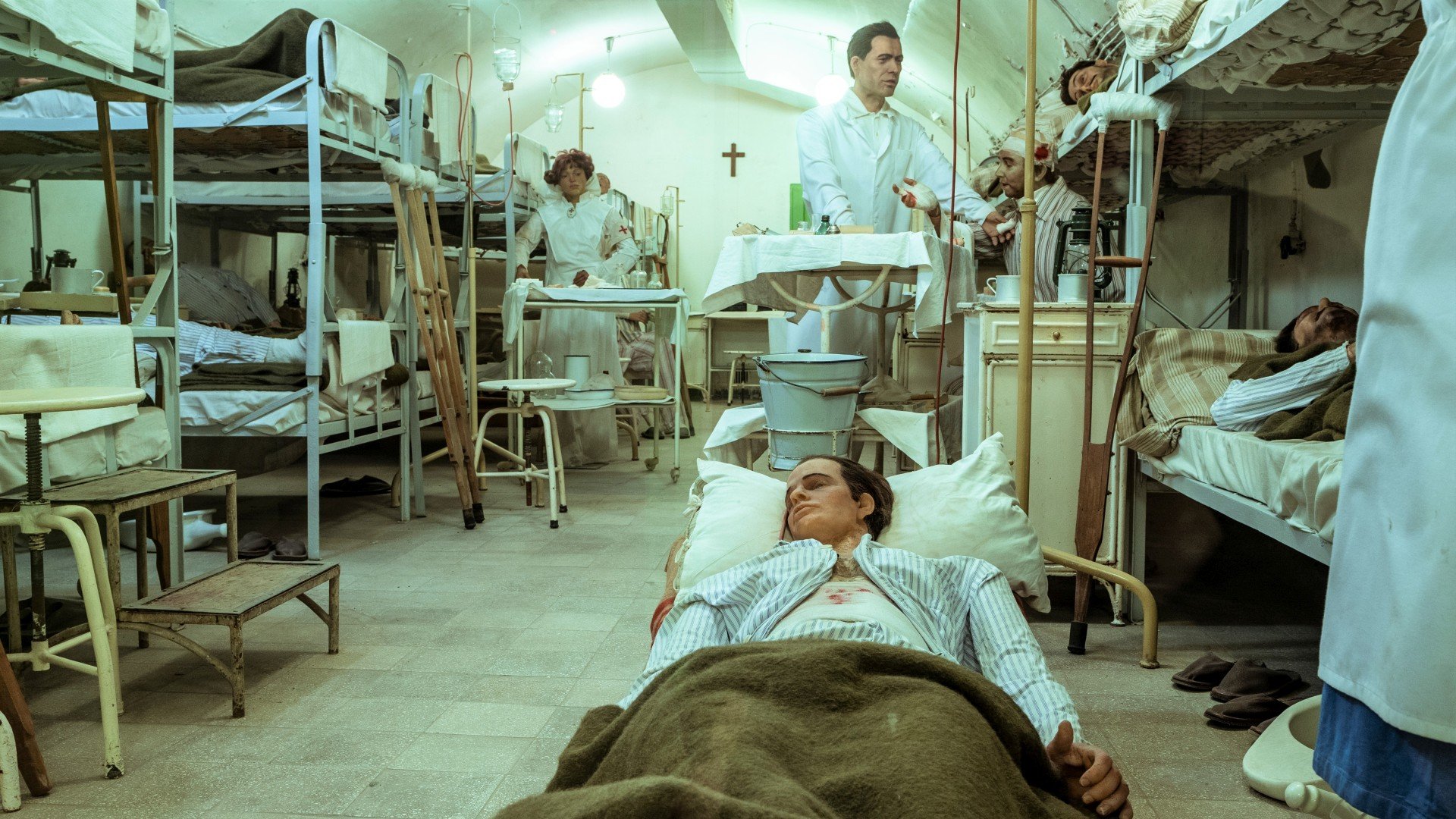
Walking through the reconstructed rooms, we were struck less by spectacle and more by scale. The beds sit close together, almost shoulder to shoulder. Equipment is functional, minimal. The operating theatre feels stark and exposed, despite being underground. Wax figures populate the space, but the effect is not theatrical. Instead, it draws attention to proximity, to the physical closeness of wounded bodies and exhausted staff working in relentless conditions during the Siege of Budapest.


There is a heaviness to the air, even now. Our guide, Nora, described how the hospital was built for around 60 patients yet at times held several times that number. We found ourselves imagining the heat, the noise, the smell, the pressure of treating civilians and soldiers alike while the city above was under bombardment. The rock walls amplify the sense of enclosure. There is nowhere to expand, nowhere to escape.
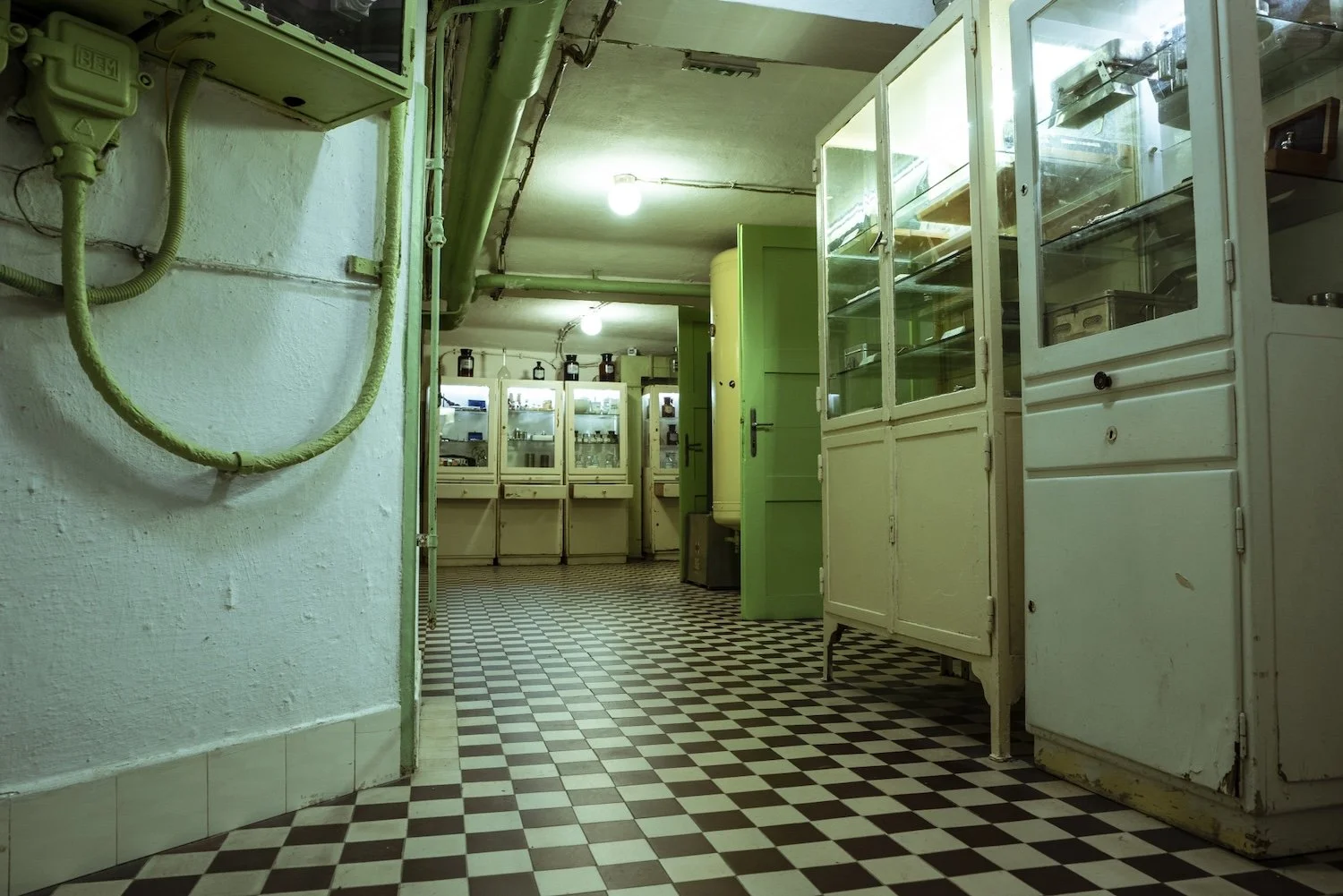
The hospital was used again during the 1956 uprising, treating those injured in the fighting against Soviet forces. Later, during the Cold War, it was converted into a nuclear bunker. Air filtration systems, decontamination showers and sealed doors were added. In one section, we stood beside machinery designed to protect against radiation. The engineering is pragmatic and unsettling, a reminder of how seriously the threat of nuclear war was taken. All of it hidden beneath an ordinary European capital.


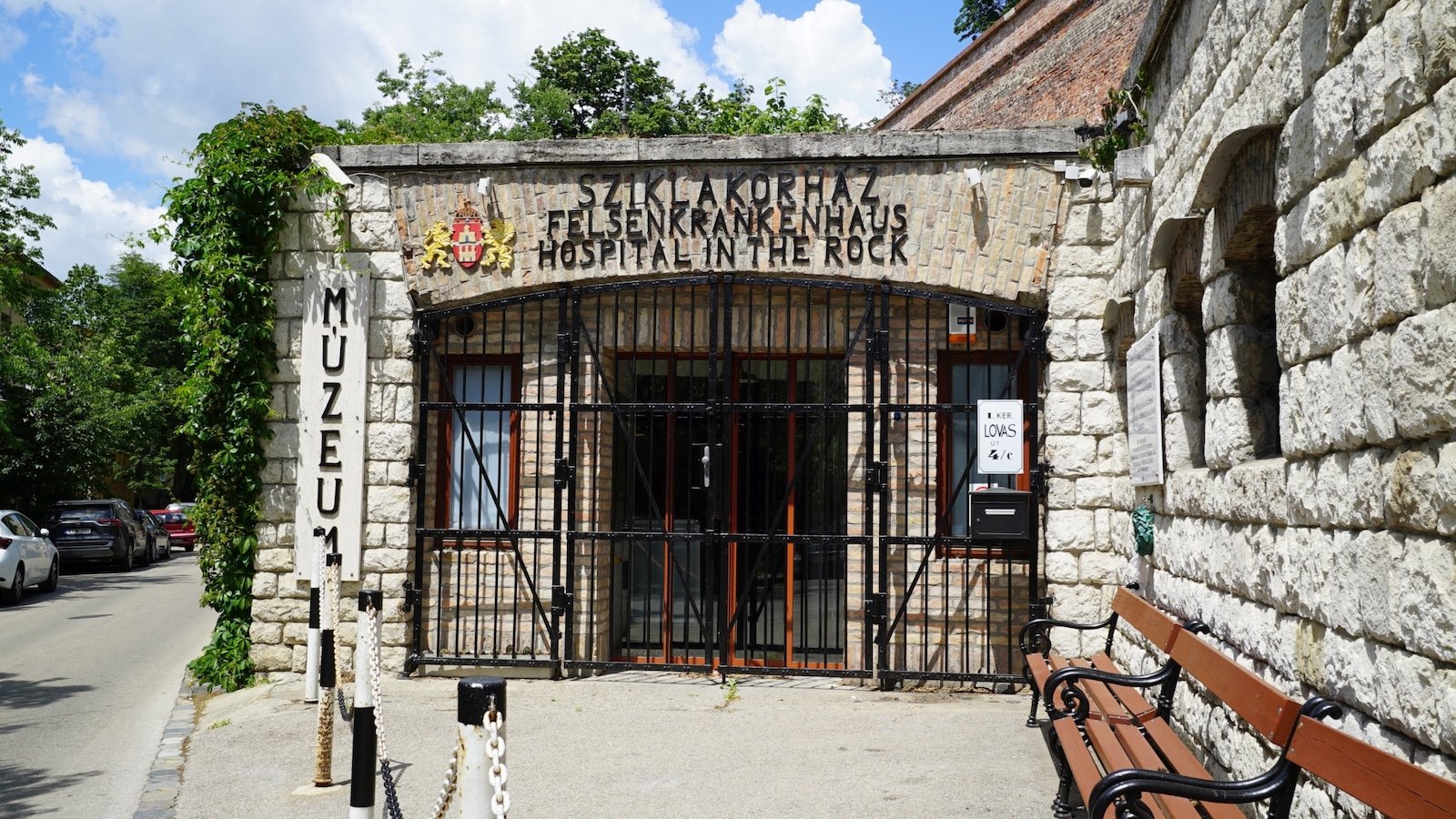

Photography is not permitted (hence why we’ve kindly used the museum’s), which changes the way you move through the space. Without screens, we paid closer attention to textures, to the chill of the stone, to the hum of ventilation. The tour lasts about an hour, but it feels longer in the best sense. Emerging back into daylight near Buda Castle, the normal rhythm of cafés and tourists felt momentarily fragile.
What stays with us is not just the history, but the atmosphere. The Hospital in the Rock is not dramatic in a cinematic way. It is constrained, practical, human. And precisely because of that, it lingers.
You Might Also like: