Exploring a ‘Forest Brothers’ bunker in southern Estonia
The Ennuksemäe Forest Brothers’ bunker is a fascinating historical site located near Viljandi, Estonia. This bunker is significant as it represents the resistance efforts of the Forest Brothers, a group of Estonian partisans who fought against Soviet occupation after World War II.
Image credits: Hiatus.Design
If you’ve not heard of them before, the Forest Brothers were a group of guerrilla fighters in the Baltic States (Estonia, Latvia, and Lithuania) who resisted Soviet control from the end of World War II until the mid-1950s.
Many of these fighters were former soldiers, nationalists, or people who simply opposed Soviet occupation. They hid in forests, relying on bunkers for shelter and conducting sabotage operations, intelligence gathering, and occasional battles with Soviet forces.
Finding the Ennuksemäe Bunker
The Ennuksemäe bunker is one of the many hidden bunkers used by the Forest Brothers during their resistance efforts.
Located in a forested area around c.30km south of the town of Viljandi (accessible train and bus from Tallinn), this particular bunker served as a hideout and base of operations for the partisans but has rebuilt a few times from the information boards and what we could find online.
The bunker is dug into the ground and camouflaged with logs, soil, and vegetation to blend in with the surrounding forest. This construction made it difficult for Soviet patrols to detect.
Inside, the bunker was equipped with basic living quarters, including bunk beds, a small stove for heating and cooking, and storage for food and ammunition.
It typically had multiple entrances and escape routes to allow for quick exits in case of discovery or attack by Soviet forces.
The Ennuksemäe Forest Brothers’ bunker symbolises the Estonian resistance against Soviet occupation and the broader struggle for independence. These bunkers and the Forest Brothers themselves are regarded as symbols of national resilience and determination in the face of foreign control.
Today, the Ennuksemäe bunker is preserved as a historical site and can be visited by those interested in Estonia’s wartime history. It serves as a reminder of the difficult conditions faced by the Forest Brothers and their unwavering commitment to their cause. Visiting the site offers a glimpse into the clandestine operations of these partisans and provides a physical connection to Estonia’s resistance history.
You might also like:
Showcasing the extraordinary skill, balance, and focus required in the sport, Red Bull Slack Warrior 2025 competition took place on 9th August at Noblessner Harbour in Tallinn, Estonia, marking the third edition of this high-energy slacklining event in the country.
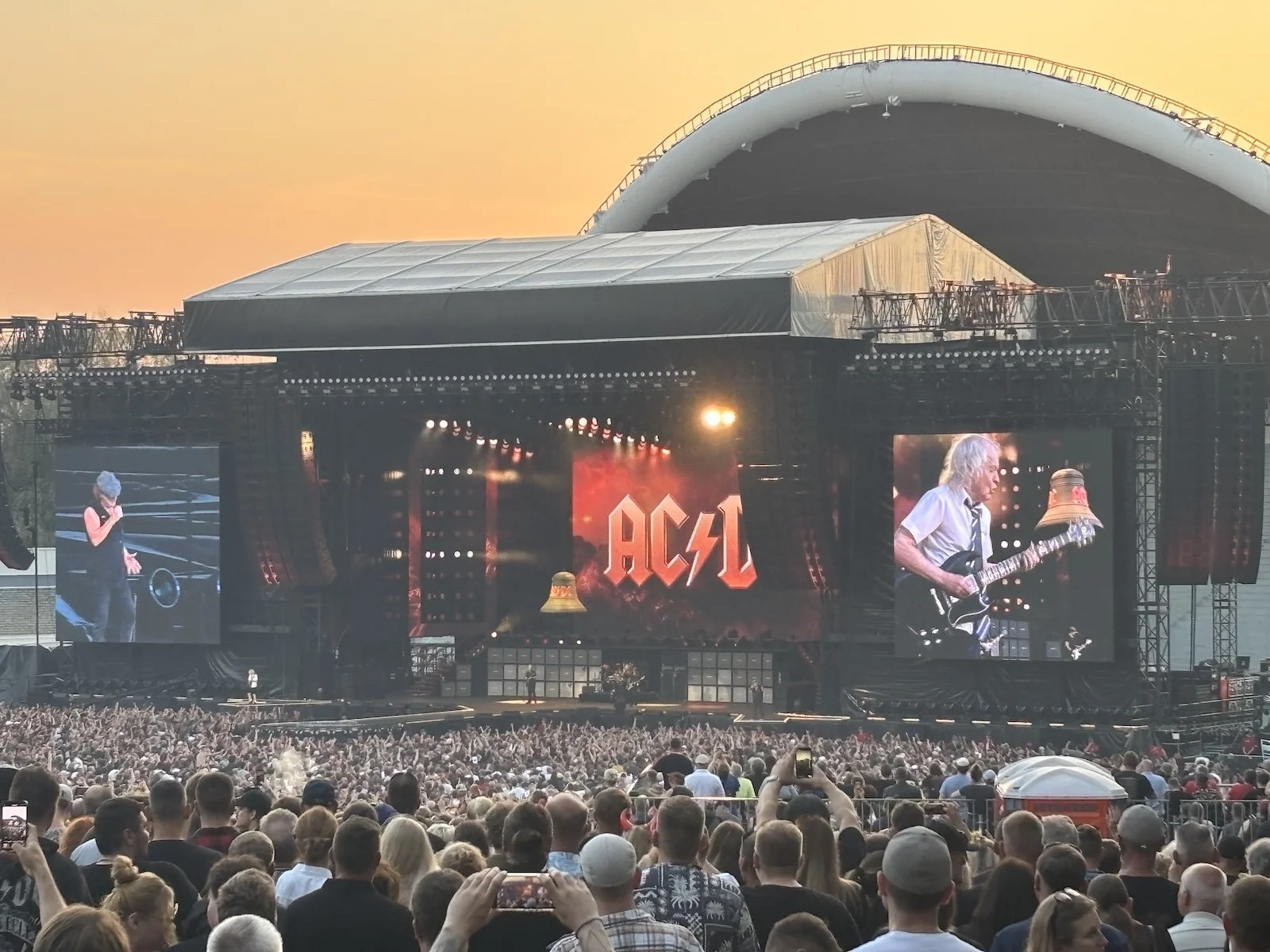
On 24 July 2025, Tallinn hosted one of its biggest ever concerts when rock legends AC/DC brought their Power Up tour to the Song Festival Grounds. It was the band’s first time performing in Estonia and anticipation had been building for months, with tickets selling out well in advance.
Tucked away in northern Tallinn near the Viimsi peninsula, the Rohuneeme rocket base, is one of Estonia’s most intriguing yet lesser-known Cold War relics.
Housed in a historic power station building originally constructed in 1913, the Energy Discovery Centre in Tallinn, Estonia, is an engaging science and technology museum dedicated to exploring the fascinating world of energy, electricity, and physics.
Facing the Russian fortress of Ivangorod across the river, Narva Castle, also known as Hermann Castle, stands on the banks of the Narva River in Estonia, marking the easternmost boundary of the European Union.
Patarei Prison (‘The Battery’ in English), located in Tallinn, Estonia, is a chilling and historically significant site that reflects the nation’s turbulent history, that we had a chance to tour in winter 2024.
After hearing about a ghostly relic from the last century, we decided to travel to the furthest reaches of Europe to visit a decaying but fascinating former factory located on an island next to the Russian border.
Shepard Fairey's Photo Synthesis exhibition at Fotografiska Tallinn is a wonderful, intricate and impactful exploration of his artistic journey, running until March 2025.
Despite not featuring a single Banksy original, we were excited to visit an unauthorised Banksy exhibition that’s been touring around Europe since 2021.
The Ennuksemäe Forest Brothers’ bunker is a fascinating historical site located near Viljandi, Estonia. This bunker is significant as it represents the resistance efforts of the Forest Brothers, a group of Estonian partisans who fought against Soviet occupation after World War II.
Having spent the last few years exploring Estonia in a tent with a bike, 2024 seemed like a good time to sample and document more of Estonia’s rich history particularly the ample manor houses and castles!
Kernu Manor, is located about 35 kilometres southwest of Tallinn, and a historical gem with a rich past that reflects the country’s aristocratic heritage.
Located some 25 kilometres from Rakvere, the Rohu rocket base was once a vital part of the Soviet nuclear rocket complex established during the 1960s, but now lies largely in ruins.
The sea mines factory on Naissaar island, located in the Gulf of Finland, approximately 8 kilometres northwest of Tallinn, is one of the island’s most intriguing historical military sites, reflecting its strategic military significance during the 20th century.
My second bikepacking expedition to prepare me for the Silk Road Mountain race comes quite possibly as a result of playing too much Tomb Raider as a teenager when I hear about a sunken prison building in the middle of a lake that’s around 40 kilometres away from Estonia’s capital city, Tallinn that I’m exploring as a digital nomad.
In July 2022, I took a ferry to the little-known island of Aegna, located close to Tallinn, Estonia. At just 3 km², it’s a small island, however Aegna is unique are its well preserved former military sites, including artillery, coastal defensive positions, and fortification from different periods. Walking around these old military sites really felt like taking a step back in history and an unforgettable experience.
In my quest to train for the Silk Road Mountain Race, I decided to squeeze in an 80-kilometre, 2-day mini bikepacking expedition during the week to test out my bike’s setup, find gaps in my preparation, build conditioning and more fitness, experience Estonia’s summer temperatures, and see what kit I might need for bigger bikepacking trips (like tackling the 500-kilometre Eurovelo 11 route that I want to do later this year).
About the Author:
Chris is the founder of Hiatus.Design, a mission-driven branding and website design company that works with clients all over the world.
Over the course of his life, he has travelled to more than 60 countries across six continents, earned two Guinness World Records, completed the legendary Marathon des Sables, summited Mont Blanc and unclimbed peaks in Asia, become a Fellow of the Royal Geographical Society (FRGS), rowed across the Atlantic Ocean and obtained a Masterʼs degree in Business Management (MA).

The Eurovelo cycling routes are one of Europe’s best kept secrets. Waymarked by blue signs with occasional directions to the next town, the routes criss-cross European countries.
The entire Eurovelo 11 route is c.6500 kilometres, starts at Nordkapp (the most northerly point in Europe) and finishes at the southern tip of Greece, covering 11 countries on the route. It’s apparently referred to as ‘the Beast of the East’ (according to the official website) and completing it in stages is quickly becoming a personal goal.