Stepping back in time at the Retro Interactive museum in Budapest, Hungary
The Budapest Retro Interactive Museum is one of the city’s most unusual cultural attractions, offering visitors a playful and immersive journey into everyday life in Hungary during the 1970s and 1980s. Located in the centre of Budapest at Október 6 Street, only a short walk from the city’s main squares, the museum recreates the sights, sounds, and objects of the late communist era through hands-on exhibits, vintage technology, and reconstructed environments. Rather than presenting history through traditional glass display cases, the museum encourages visitors to interact with the exhibits and experience what life might have felt like during this period of Hungarian history.
© Images by Hiatus.Design
The museum opened in the summer of 2021 after more than six years of development. The project was designed as an interactive experience that could bring post-war Hungarian culture to life for both locals and international visitors. Spread across three floors, the attraction functions almost like a time machine, transporting visitors into the social atmosphere of the Eastern Bloc decades through themed rooms filled with authentic artefacts, photographs, and multimedia installations.
One of the defining aspects of the museum is its focus on interactivity. Many exhibits allow visitors to touch objects, operate equipment, or take part in simulations that recreate real historical situations. For example, guests can step into a vintage television news studio equipped with functioning broadcast cameras and read news scripts from the communist era. This playful exhibit allows visitors to imagine what it might have been like to present state news on Hungarian television decades ago.

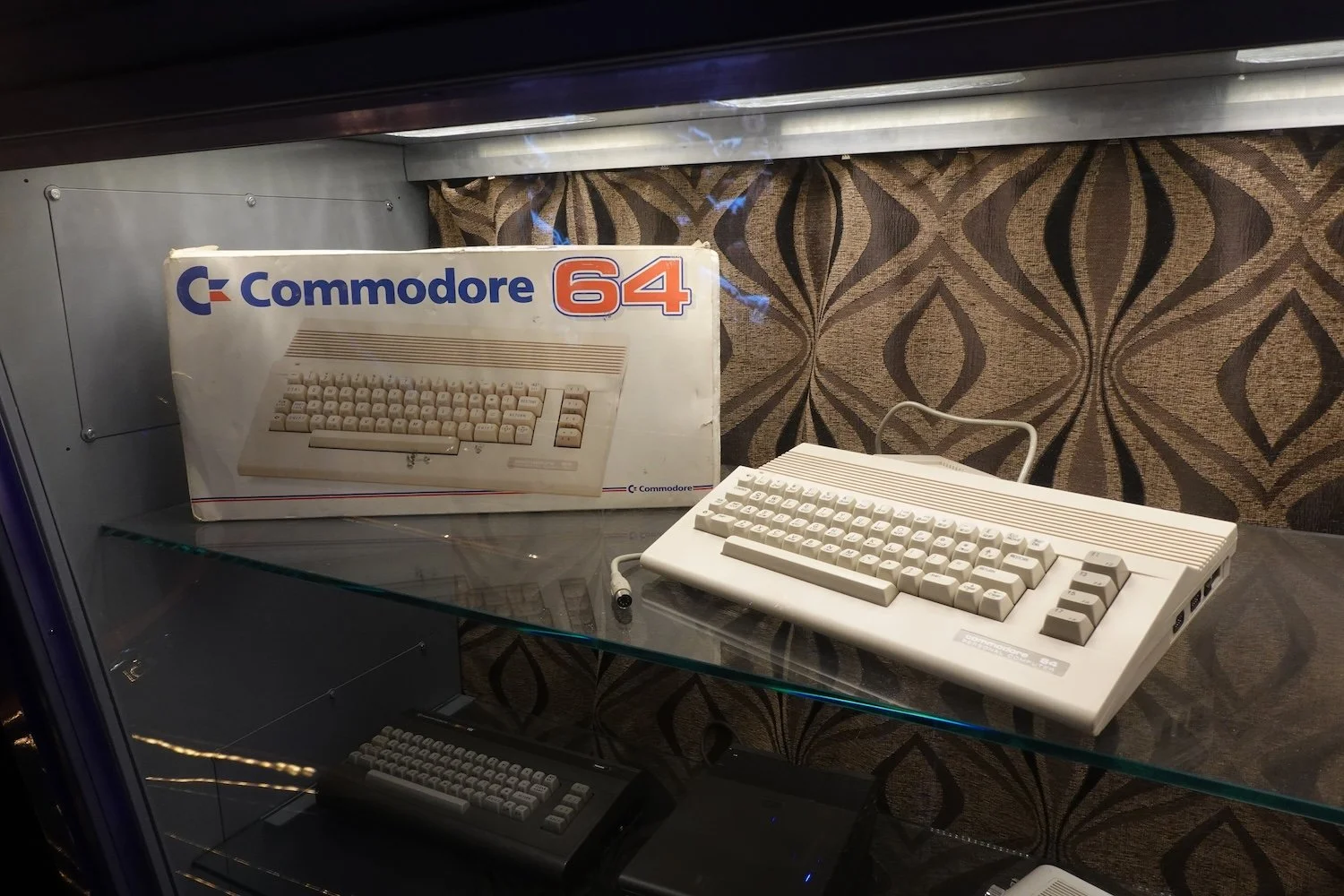

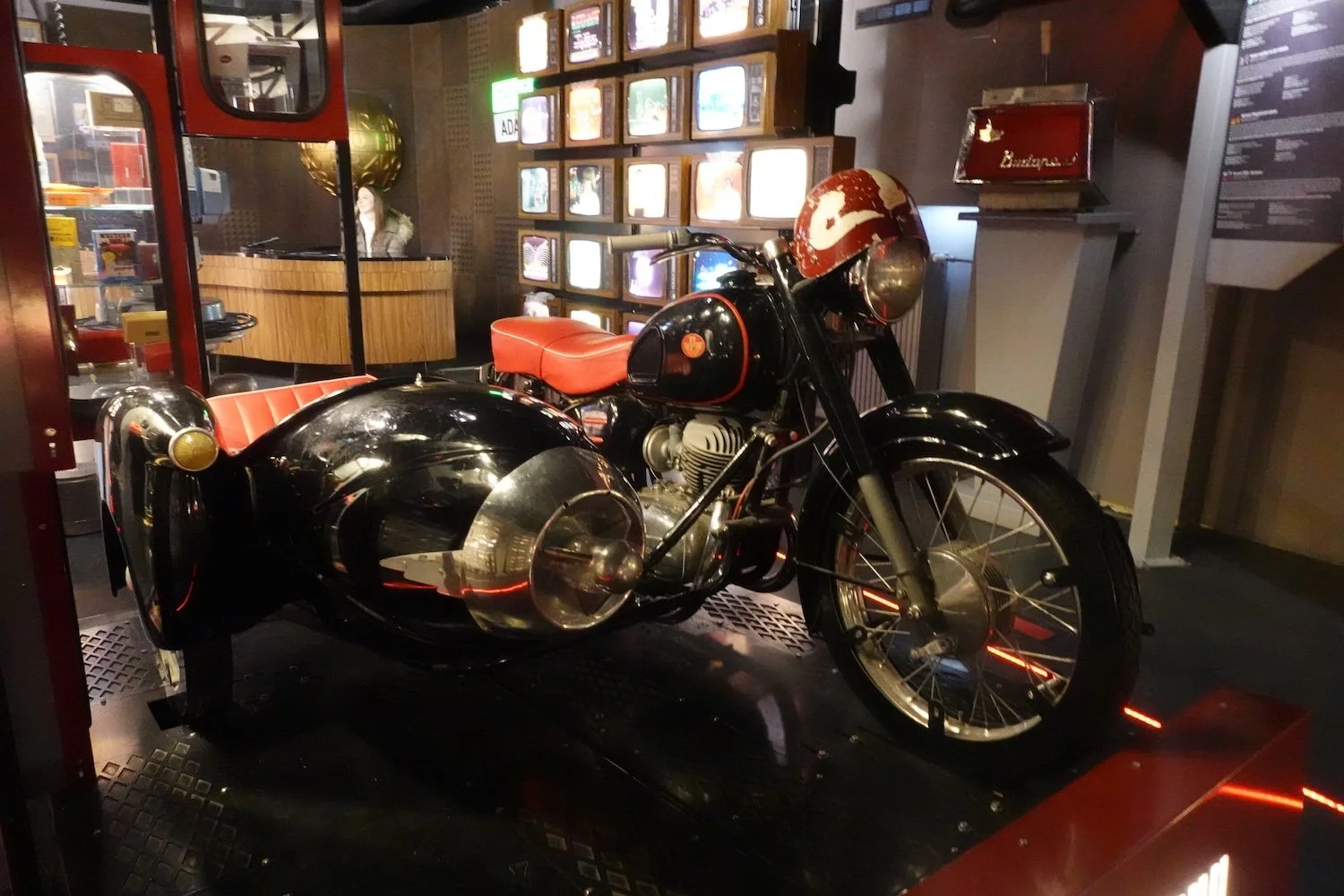
Another popular exhibit centres on classic vehicles from the Soviet period. The museum displays several vintage cars and motorcycles, including a restored Lada police car that has been transformed into a driving simulator. Visitors can sit behind the wheel and virtually patrol the streets of a Budapest housing estate, providing a glimpse of what law enforcement vehicles and urban environments looked like in the late twentieth century.
The museum also explores everyday domestic life under socialism. A reconstructed apartment shows the typical furniture, appliances, and decorative items that could be found in Hungarian homes during the era. These environments reflect the design philosophy of the time, when apartment blocks were built with standardised layouts and furnished with mass-produced household items. Walking through these rooms gives visitors a sense of how families lived, what technology they used, and how everyday routines were shaped by the economic and political systems of the period.
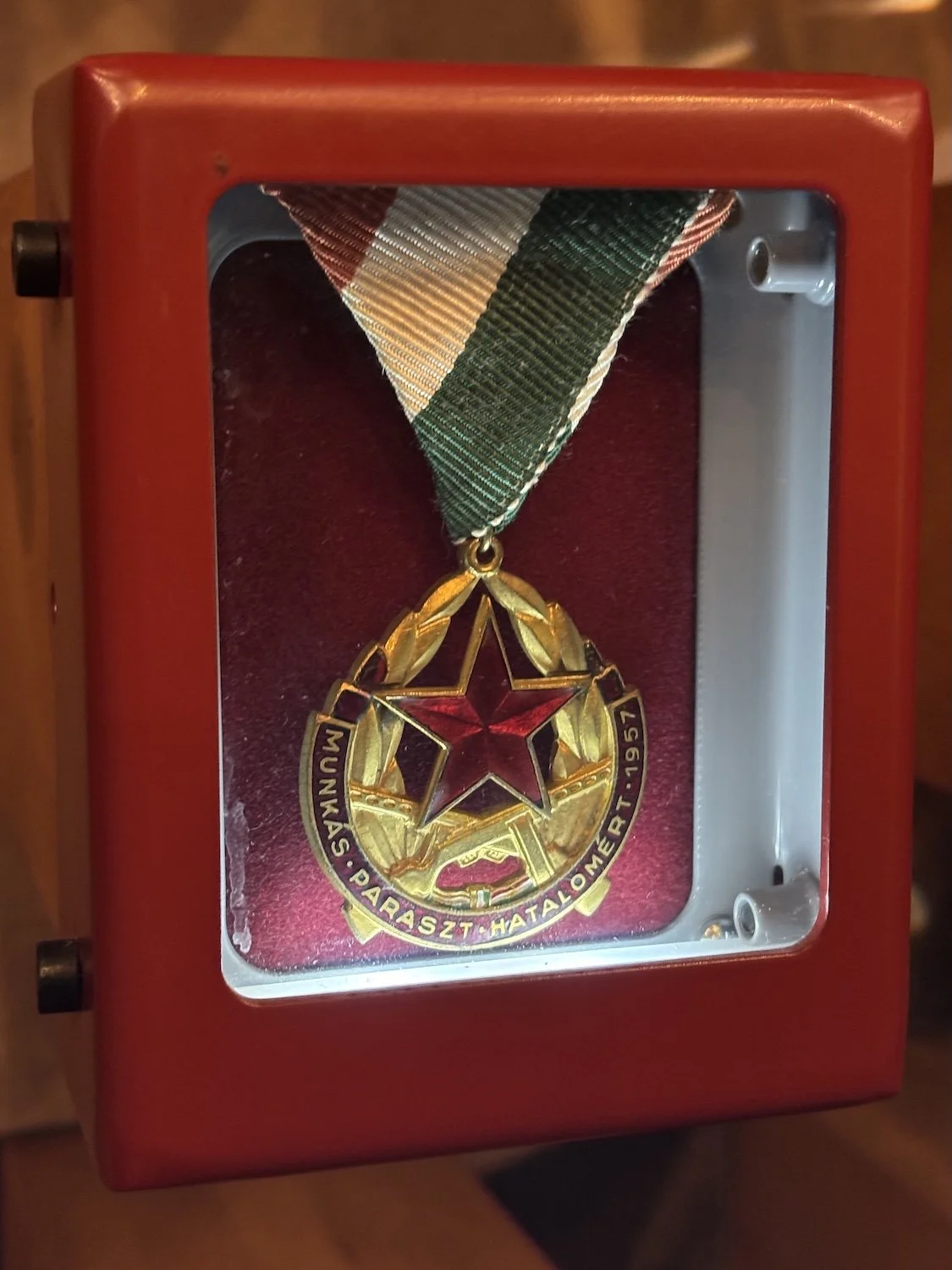
Education and youth culture are another theme explored in the exhibition. Visitors can learn about the “Young Pioneer” organisations that formed part of childhood during the communist era, including school activities, summer camps, and propaganda songs that children were encouraged to learn. Through interactive displays and personal artefacts, the museum demonstrates how ideology and everyday life were often closely intertwined in education and youth culture.


One particularly interesting section highlights Hungary’s role in the Soviet space programme. In 1980 the country became the seventh nation to send an astronaut into space, and the museum includes exhibits celebrating this milestone, including information about the mission and related artefacts. These displays help illustrate how technological achievements were framed as national successes during the Cold War.
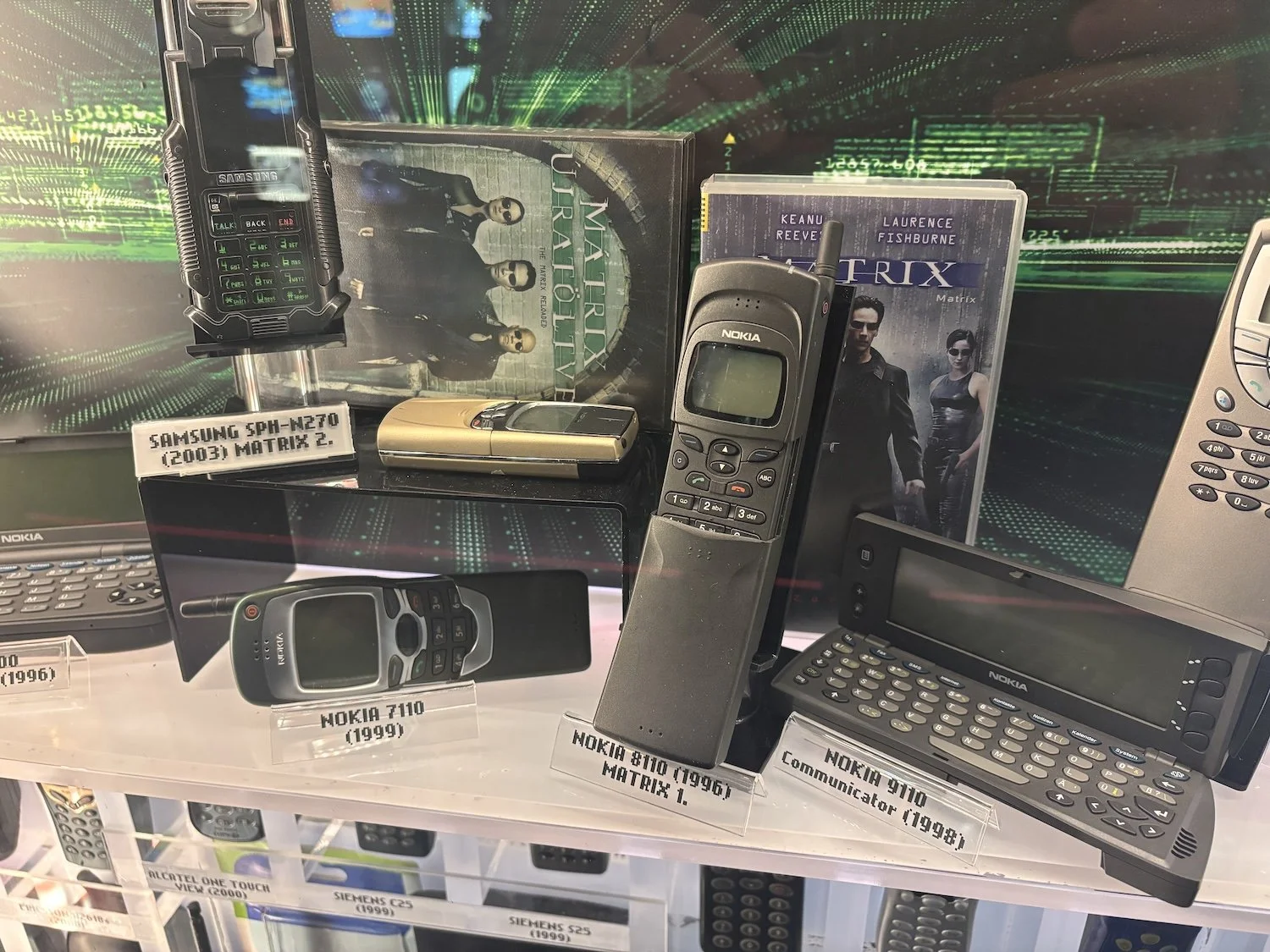
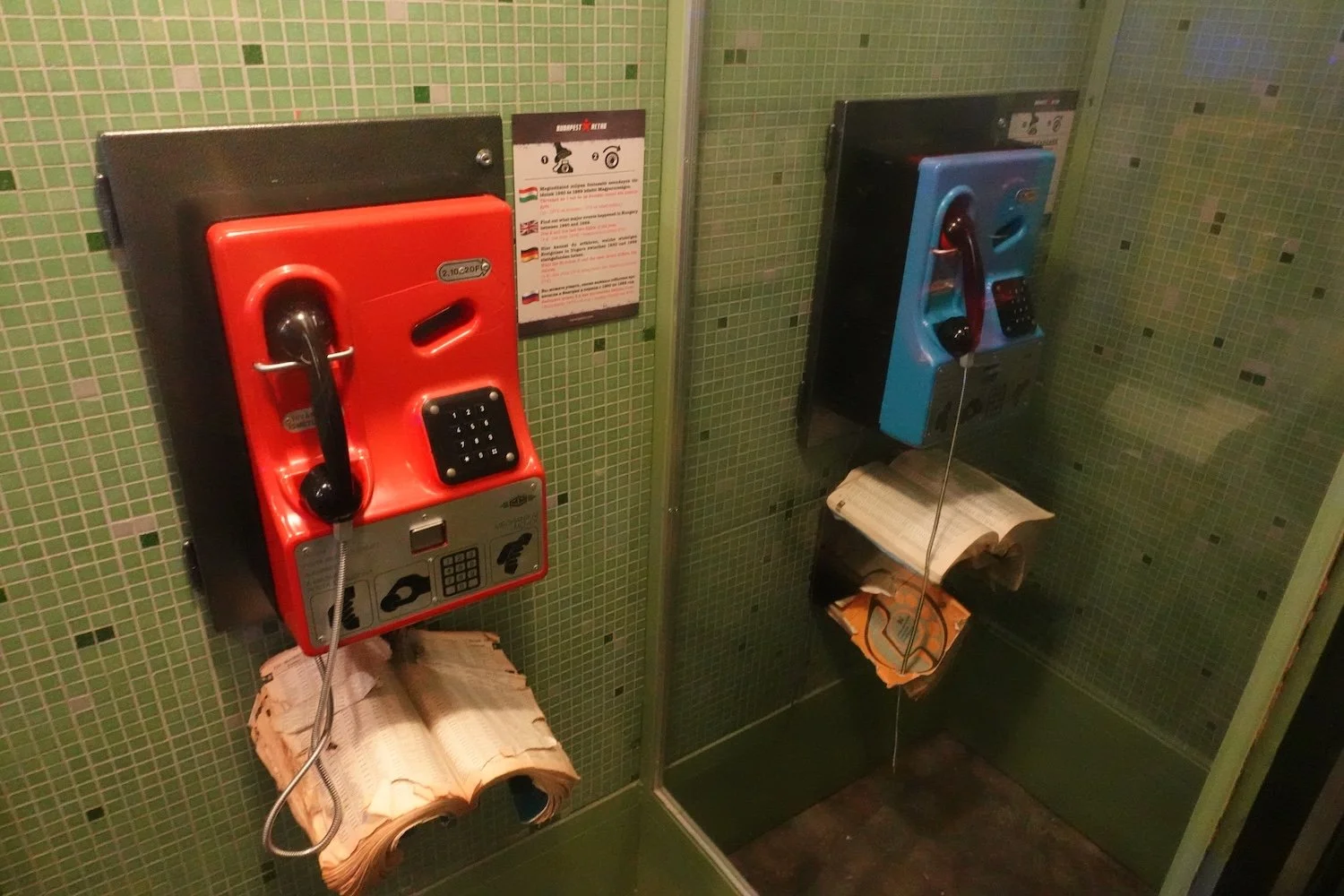
Beyond the exhibits themselves, the museum aims to recreate the atmosphere of the era through smaller details. Visitors can try on retro clothing using a digital mirror, explore vintage gadgets and telephones, and listen to period music. At the entrance there is also a retro-style bistro with a jukebox serving drinks and snacks, further reinforcing the nostalgic theme of the attraction.
Overall, the Budapest Retro Interactive Museum offers a unique way of engaging with history. By combining historical artefacts with interactive experiences and humour, it provides insight into how ordinary people lived during the later decades of the twentieth century in Hungary. For many visitors, the museum is not only educational but also entertaining, making it an accessible introduction to the social and cultural life of the Eastern Bloc period.
You Might Also Like: