Few scientific institutions have captured the world's imagination quite like CERN, the European Organisation for Nuclear Research. Located on the outskirts of Geneva, straddling the Swiss-French border, this extraordinary research facility is home to some of the most ambitious scientific experiments ever undertaken. Established in 1954, CERN brings together thousands of scientists, engineers and researchers from around the world to investigate the fundamental building blocks of matter and better understand how the Universe works.
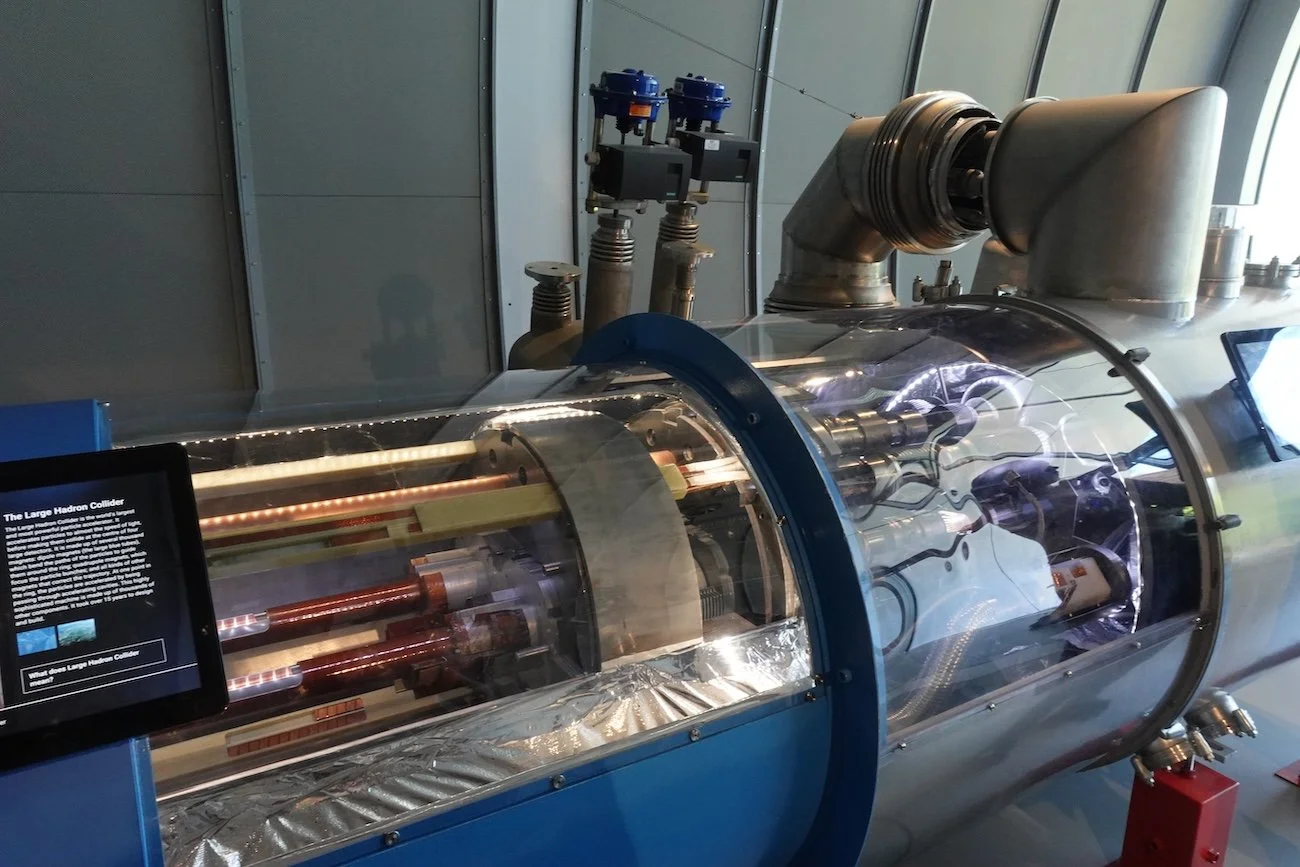
Its most famous installation is the Large Hadron Collider (LHC), a 27-kilometre particle accelerator buried underground, where particles are propelled at almost the speed of light before being collided to recreate conditions similar to those moments after the Big Bang. The experiments conducted here have contributed to some remarkable discoveries, including the identification of the Higgs boson in 2012.
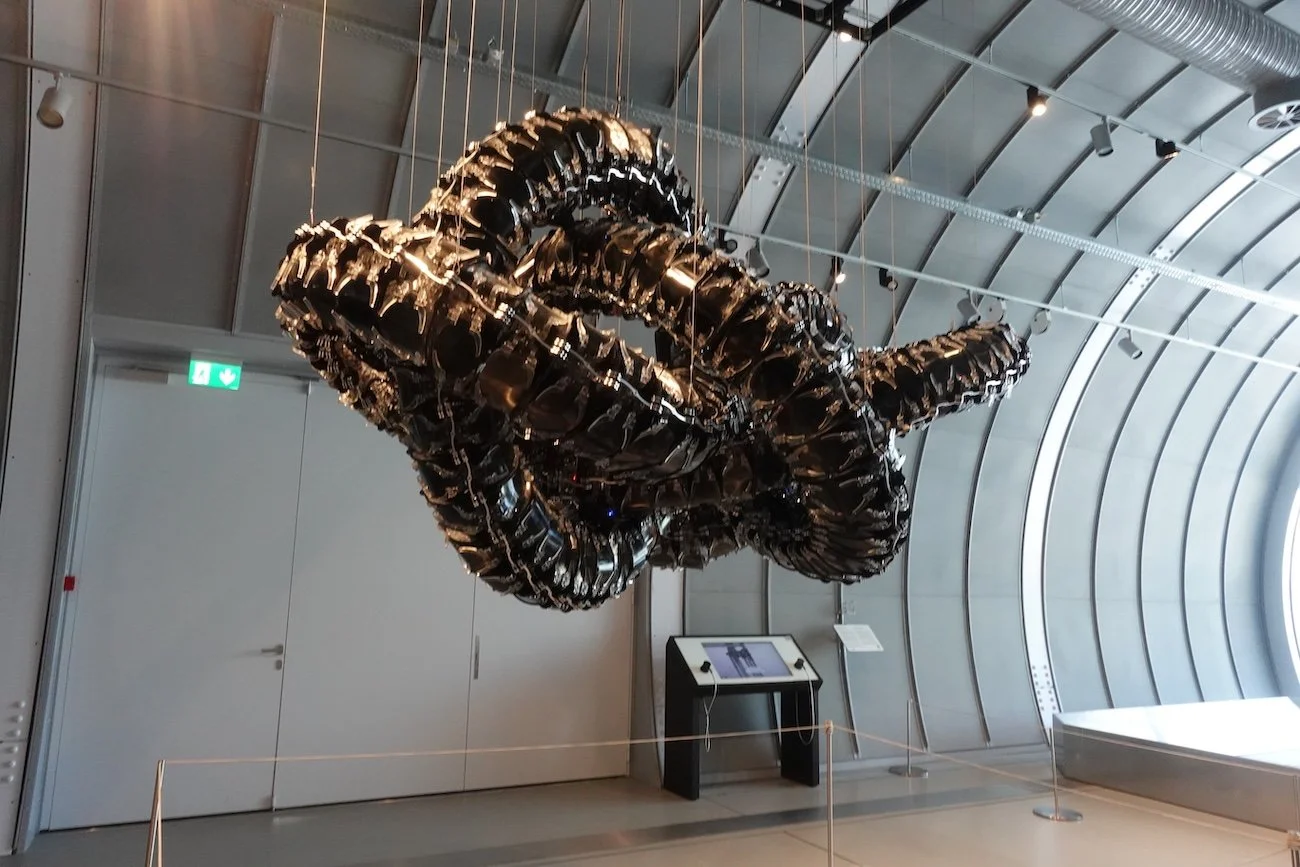
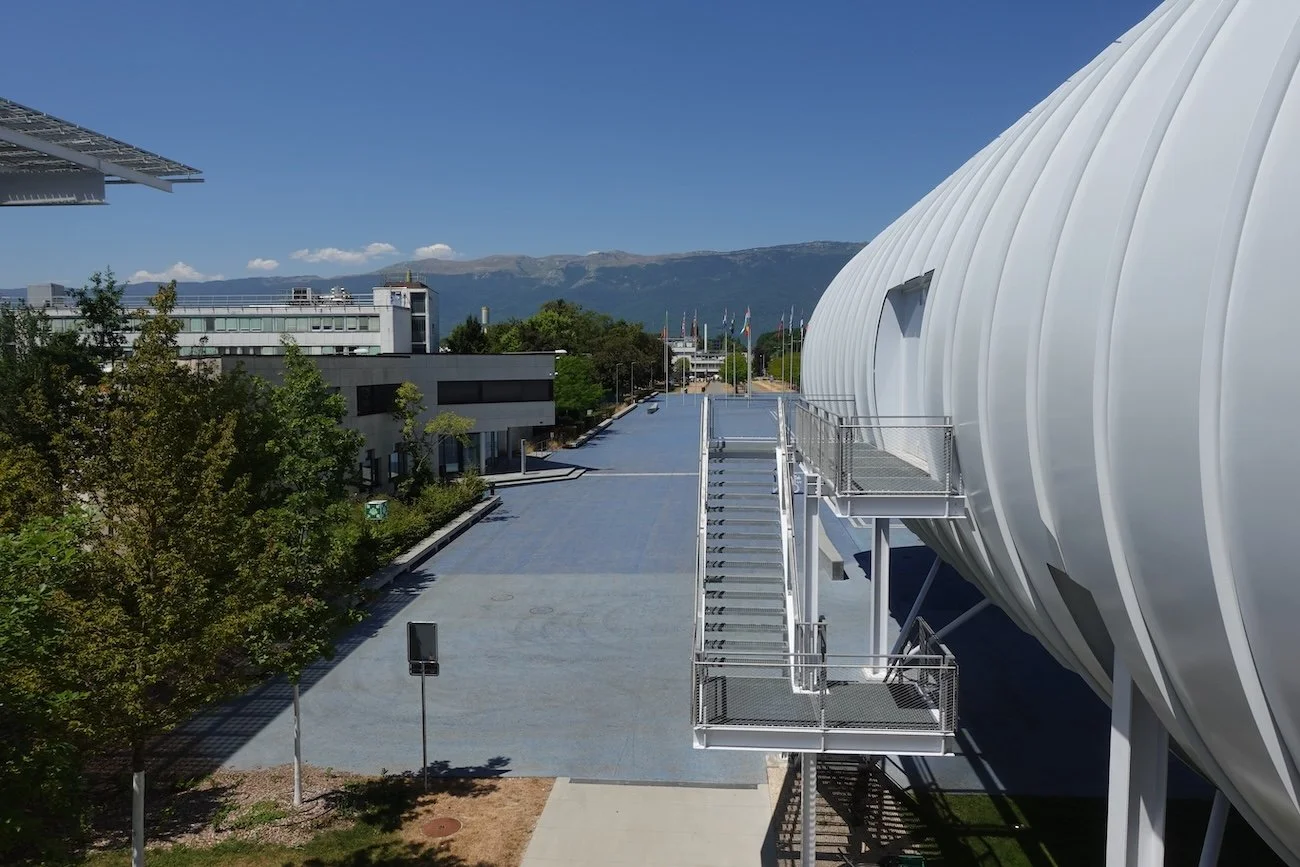
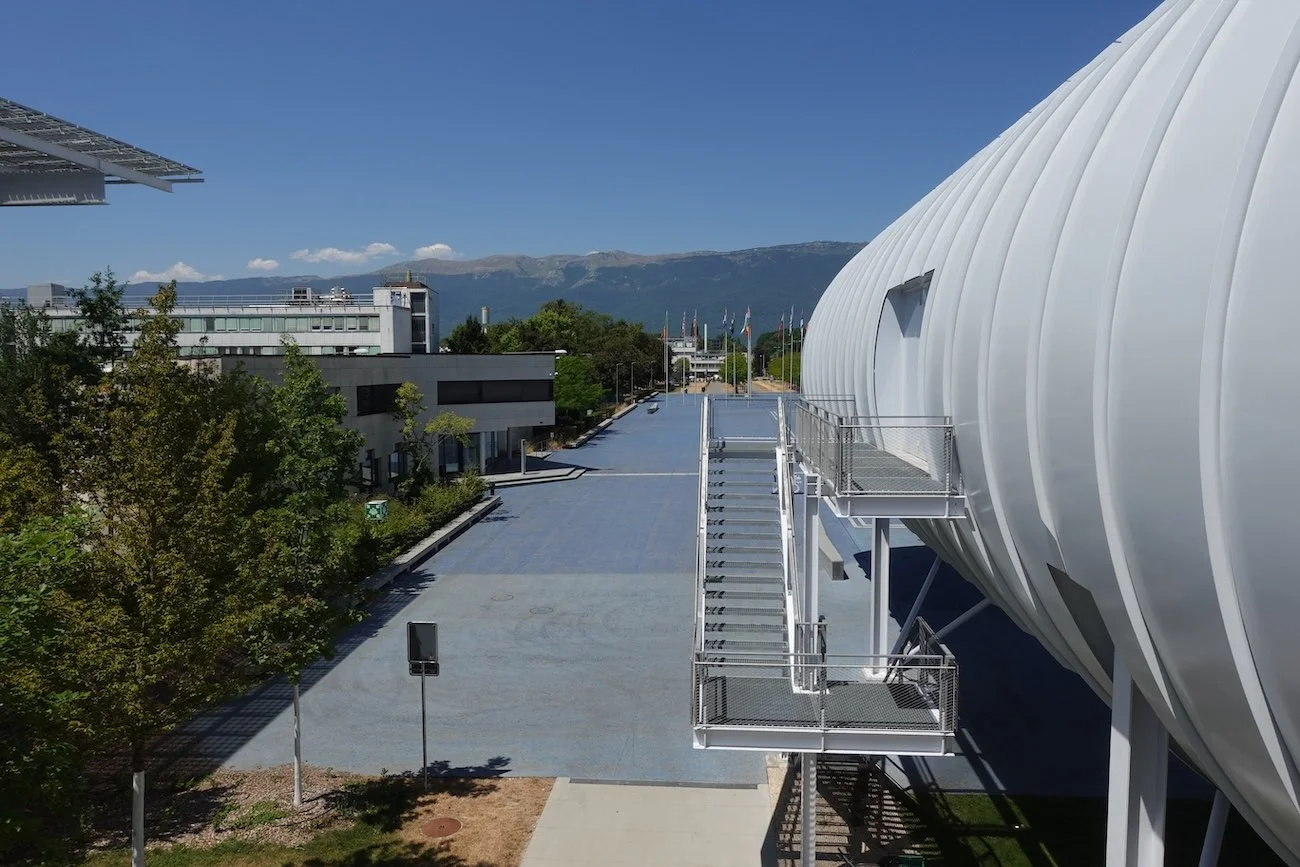
For visitors, the best starting point is CERN Science Gateway, an impressive visitor centre designed by renowned architect Renzo Piano. Its contemporary architecture, featuring enormous suspended structures and elevated walkways, provides a fitting introduction to the scale of scientific ambition taking place behind its doors.
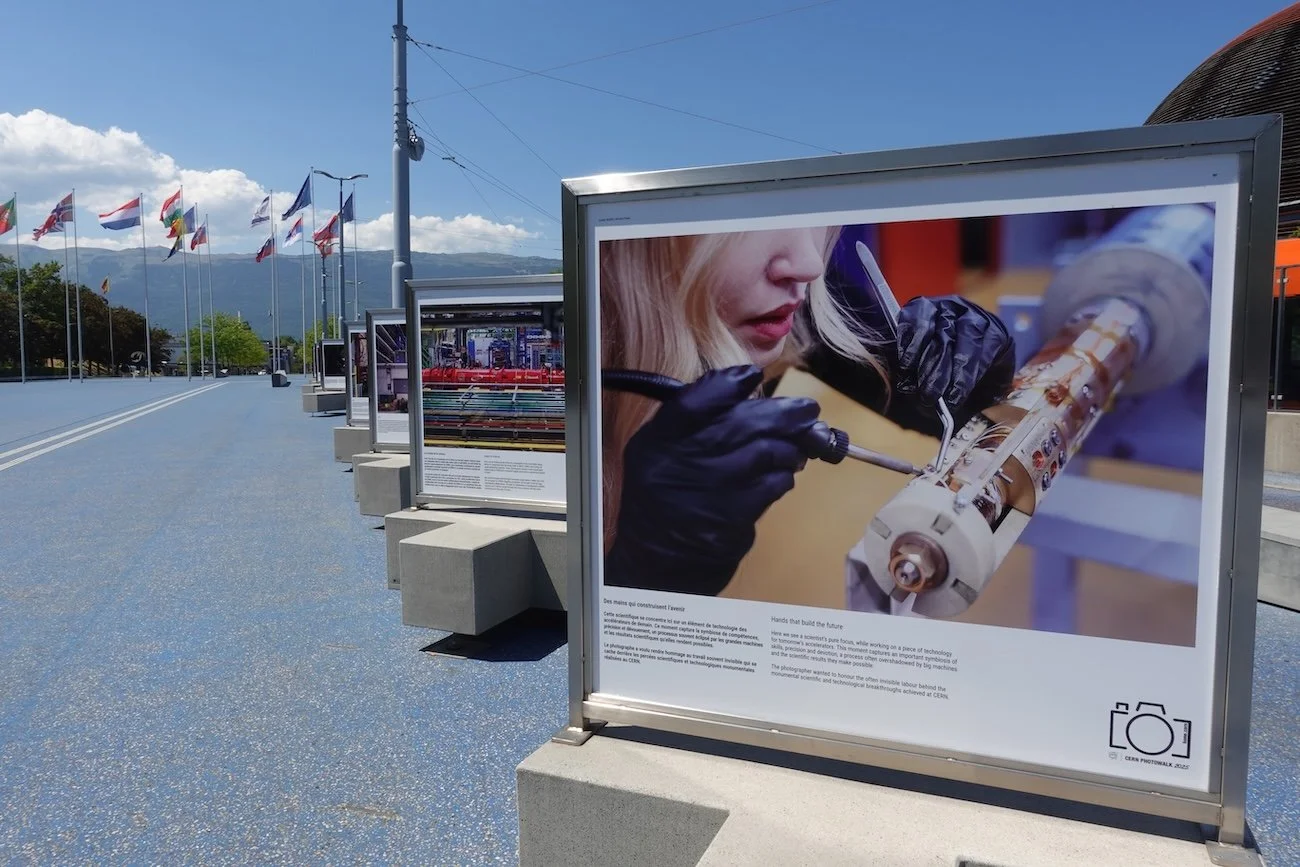
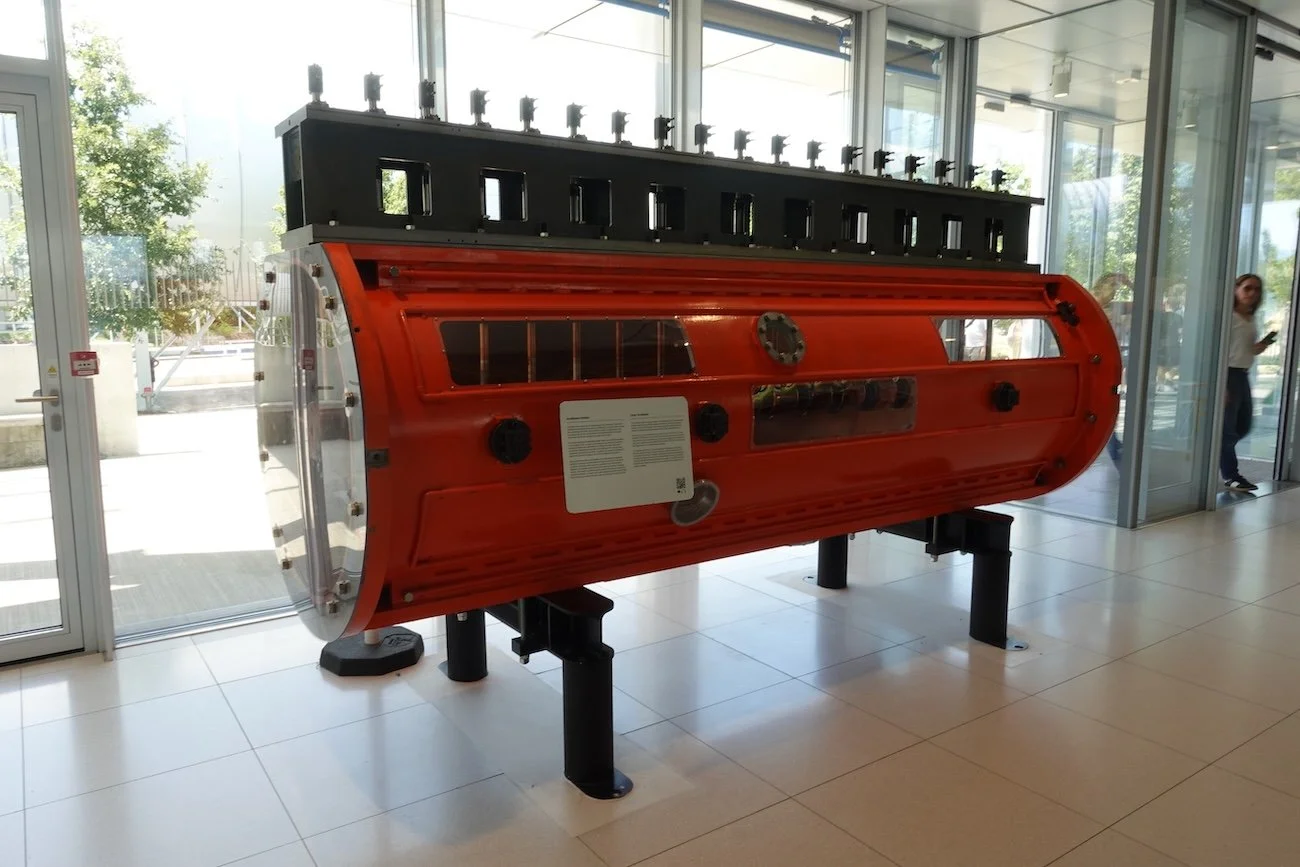
Inside, a series of interactive exhibitions brings complex scientific concepts to life. Discover CERN explores particle accelerators and the technology behind the experiments, while Our Universe takes visitors on a journey through 13.8 billion years of cosmic history. Quantum World offers an insight into the strange behaviour of matter at its smallest scales, with hands-on experiments, immersive displays and interactive installations throughout.
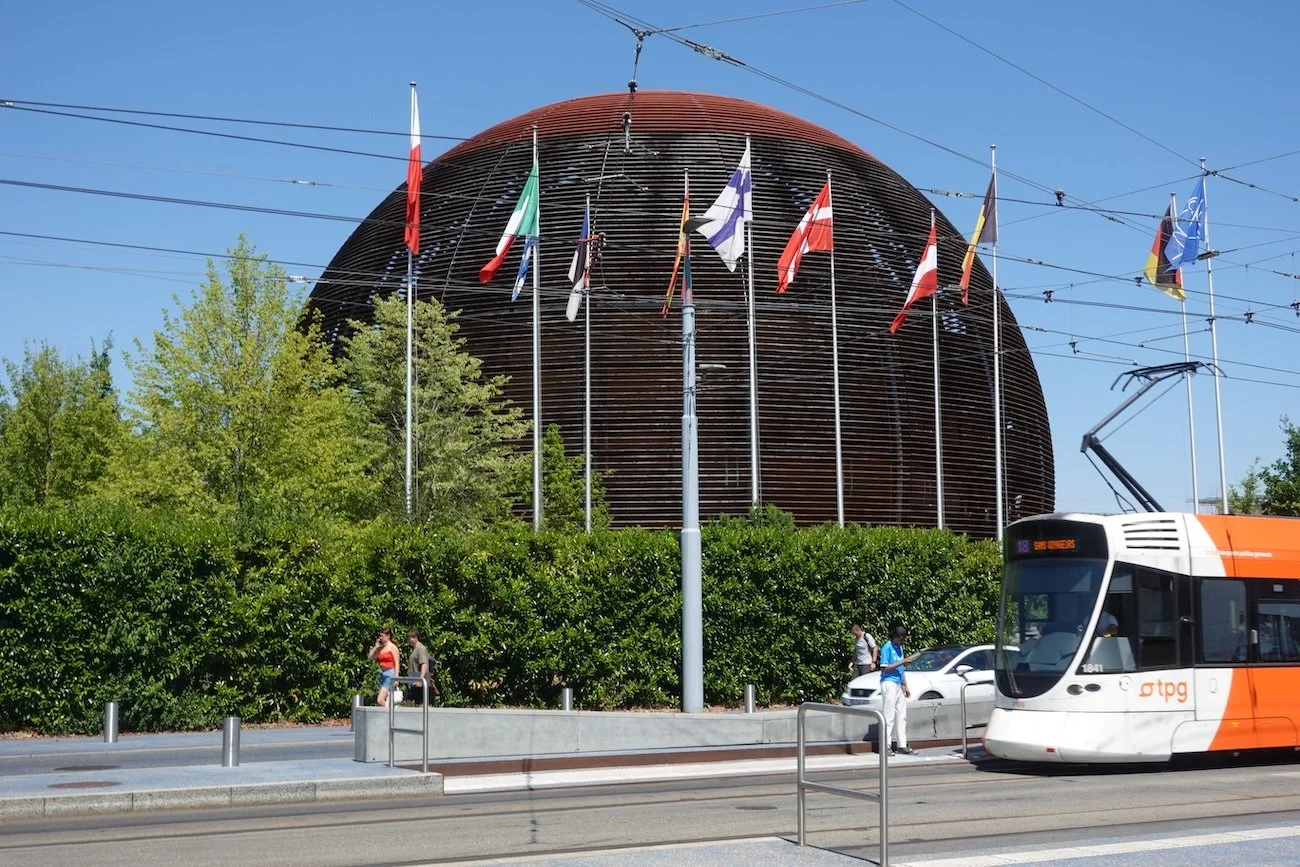
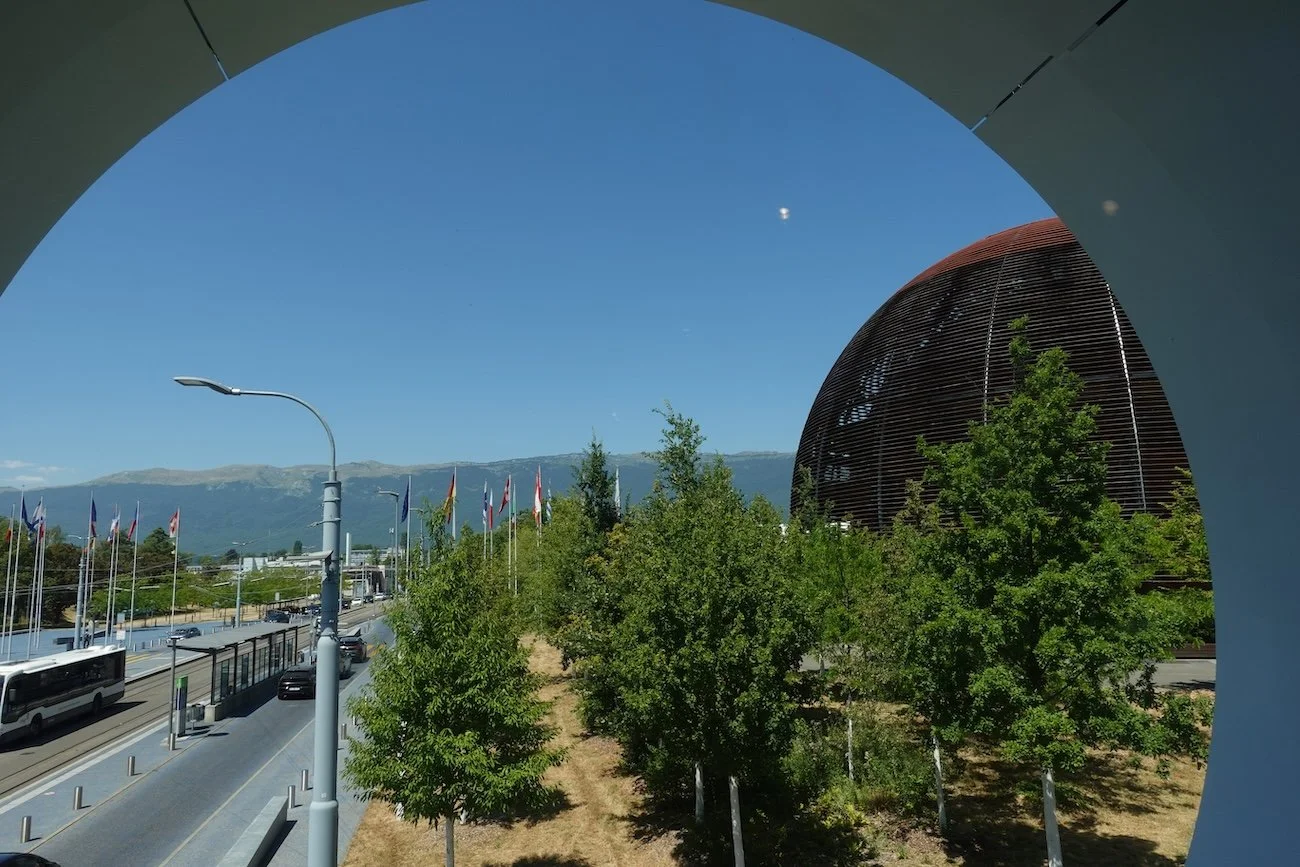
Outside, the enormous wooden Globe of Science and Innovation is another recognisable landmark, originally created for Switzerland's Expo 2002. Depending on the programme, visitors may also be able to take part in guided tours, science demonstrations and practical laboratory workshops.
Although much of CERN's research takes place in restricted underground facilities, the visitor experience offers a fascinating glimpse into the machinery, people and ideas shaping our understanding of the Universe. Whether you're a science enthusiast or simply curious about the world around you, a visit to CERN is an opportunity to explore one of humanity's most ambitious scientific endeavours.
You Might Also Like:
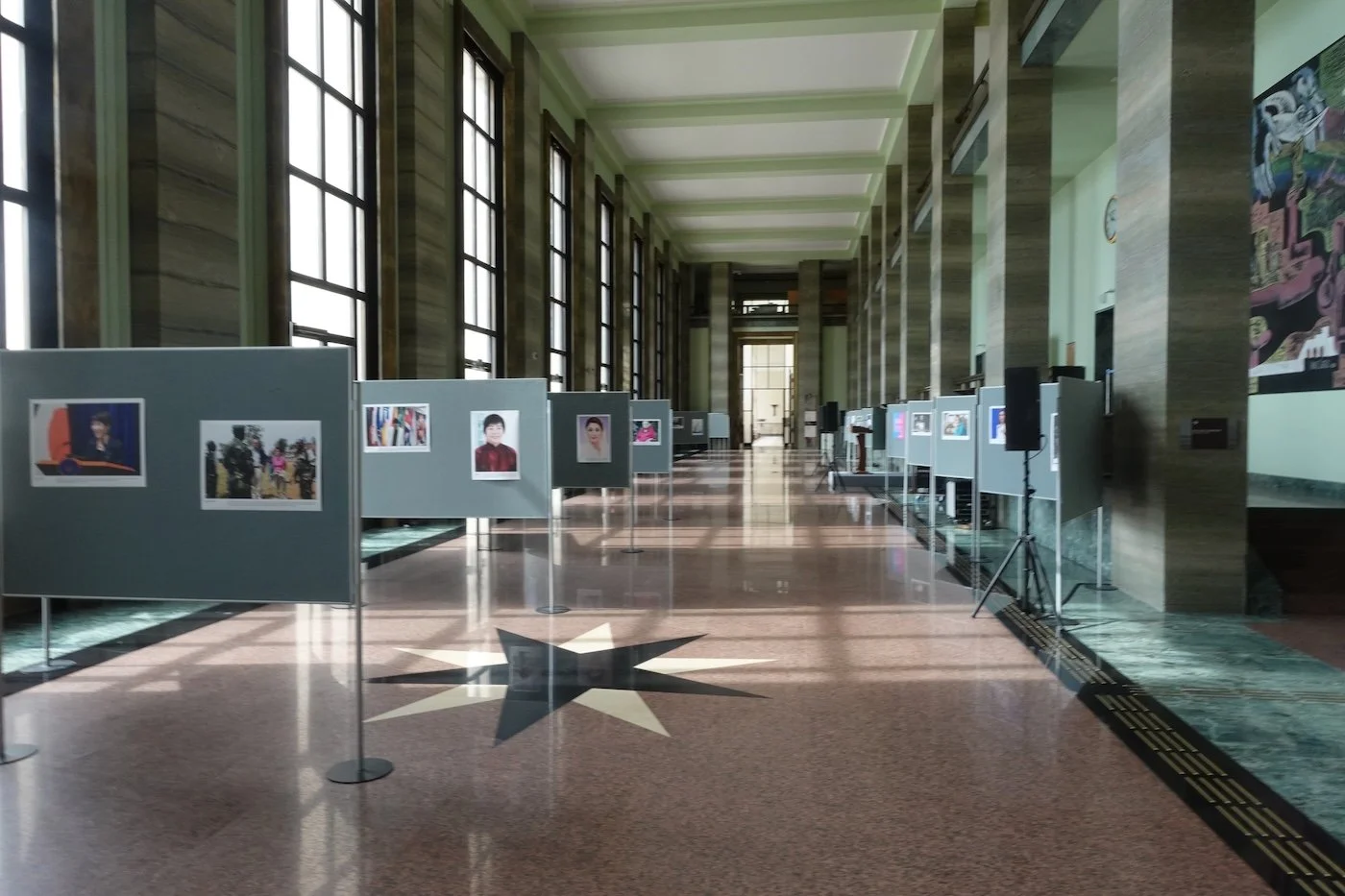
Located in Geneva's beautiful Ariana Park, the Palais des Nations was originally built to house the League of Nations, the organisation established after the First World War to promote international cooperation and prevent future conflict.
Today, it serves as one of the UN's most important international centres, hosting thousands of diplomatic meetings and conferences every year.
Few scientific institutions have captured the world's imagination quite like CERN, the European Organisation for Nuclear Research. Located on the outskirts of Geneva, straddling the Swiss-French border, this extraordinary research facility is home to some of the most ambitious scientific experiments ever undertaken.
Tucked away in the forested slopes above Les Praz, this charming mountain café sits at approximately 1,350 metres above sea level. Reached via a pleasant uphill walk through woodland, the chalet is something of a hidden gem, offering a welcome opportunity to slow down and take in the extraordinary Alpine landscape.
Located in the centre of Budapest at Október 6 Street, only a short walk from the city’s main squares, the Budapest Retro Interactive Museum is one of the city’s most unusual cultural attractions, offering visitors a playful and immersive journey into everyday life in Hungary during the 1970s and 1980s.
Walking through the reconstructed rooms, we were struck less by spectacle and more by scale. Wax figures populate the space, but the effect is not theatrical. Instead, it draws attention to proximity, to the physical closeness of wounded bodies and exhausted staff working in relentless conditions during the Siege of Budapest.
Showcasing the extraordinary skill, balance, and focus required in the sport, Red Bull Slack Warrior 2025 competition took place on 9th August at Noblessner Harbour in Tallinn, Estonia, marking the third edition of this high-energy slacklining event in the country.
Lake Bled, nestled in the Julian Alps of north western Slovenia, is one of the country’s most iconic and picturesque destinations, drawing visitors from across the world for its fairy-tale scenery and tranquil atmosphere.
Dramatically perched above the narrow gorge that leads into the valley from Piedmont, the Fort di Bard is a striking 19th-century fortress nestled in the Aosta Valley of northern Italy, that was used as a the main set for Marvel’s Avengers: Age of Ultron
On 24 July 2025, Tallinn hosted one of its biggest ever concerts when rock legends AC/DC brought their Power Up tour to the Song Festival Grounds. It was the band’s first time performing in Estonia and anticipation had been building for months, with tickets selling out well in advance.
Testament to the Luxembourg city's strategic importance and architectural ingenuity over centuries, the Casemates du Bock are an extraordinary network of underground tunnels and chambers carved into the rocky cliffs.
Tucked away in northern Tallinn near the Viimsi peninsula, the Rohuneeme rocket base, is one of Estonia’s most intriguing yet lesser-known Cold War relics.
See Prague at its most magical, glide past Charles Bridge, Prague Castle, and more on this golden hour boat tour of the Vltava. History, romance, and river views in under an hour.
Renowned for its intricate Gothic architecture and rich history, the Duomo di Milano, or Milan Cathedral, stands as an iconic symbol of Milan, Italy.
Les Tres Xemeneies (The Three Chimneys) is one of Barcelona’s most distinctive industrial landmarks, which we can’t help but think resemble Bender from Futurama!
Standing in the heart of Andorra la Vella, Salvador Dalí’s Noblesse du Temps (The Nobility of Time) is an iconic bronze sculpture that embodies his fascination with time, dreams, and the surreal nature of existence.
Widely regarded as the birthplace of Western theatre, the Theatre of Dionysus Eleuthereus, located on the southern slope of the Acropolis in Athens, Greece, is one of the most significant cultural landmarks of the ancient world.
Initially established as a study collection for the arts and crafts school, the Design Museum in Helsinki is one of the world’s oldest museums dedicated to design, tracing its origins back to 1873.
Built in the 17th century during the reign of King Christian IV, the Round Tower, or Rundetaarn in Danish, is one of Copenhagen’s most iconic landmarks and a testament to the city’s rich history and architectural ingenuity.
Housed in a historic power station building originally constructed in 1913, the Energy Discovery Centre in Tallinn, Estonia, is an engaging science and technology museum dedicated to exploring the fascinating world of energy, electricity, and physics.
Located in the historic Clementinum complex, the Baroque Library Hall in the Clementinum in Prague is one of the most stunning examples of Baroque architecture and artistry in Europe
Facing the Russian fortress of Ivangorod across the river, Narva Castle, also known as Hermann Castle, stands on the banks of the Narva River in Estonia, marking the easternmost boundary of the European Union.
This immersive ‘Colour of Life’ exhibition at the Royal Łazienki Museum in central Warsaw, offered an intimate glimpse into the life and art of one of the 20th century’s most iconic artists, Frida Kahlo.
Opened in 1989, the Planetarium in Copenhagen is an incredible destination for astronomy and space enthusiasts.
Tallinn City Hall, also known as Tallinna Linnahall, is a big and prominent landmark building located in the heart of Tallinn, and was used as the ‘Kyiv Opera House’ for scenes in Christopher Nolan’s 2020 film, ‘Tenet’.
The XVII Tallinn Design Festival, held from September 19–25, 2022, was a vibrant celebration of creativity, innovation, and design.
The RMK Juminda campsite is also home to a memorial dedicated to the lives lost in the Juminda maritime disaster, during World War II.
The Kiek in de Kök Museum is a museum located in Tallinn, Estonia, that showcases the history of the city's fortifications and the development of Tallinn's defence system over the centuries.
Kai Art Centre is a contemporary art centre located in Tallinn, the capital city of Estonia. The centre is housed in a former submarine production plant in the Noblessner port area, which itself has undergone a major renovation to turn it into a modern and versatile art venue.
Männiku Wakepark is a cable wakeboarding park located in Tallinn, Estonia. It is situated in the Männiku neighbourhood, which is approximately 15 minutes from Tallinn city centre.
Located on the western outskirts of Tallinn in the Kakumäe district, Pikakari Beach is a popular destination for those looking to escape the city and enjoy a day by the sea. The beach offers visitors calm waters, beautiful scenery, and a range of amenities, including changing rooms, showers, and toilets. Several cafes and restaurants are also nearby for visitors to enjoy a meal or a drink.